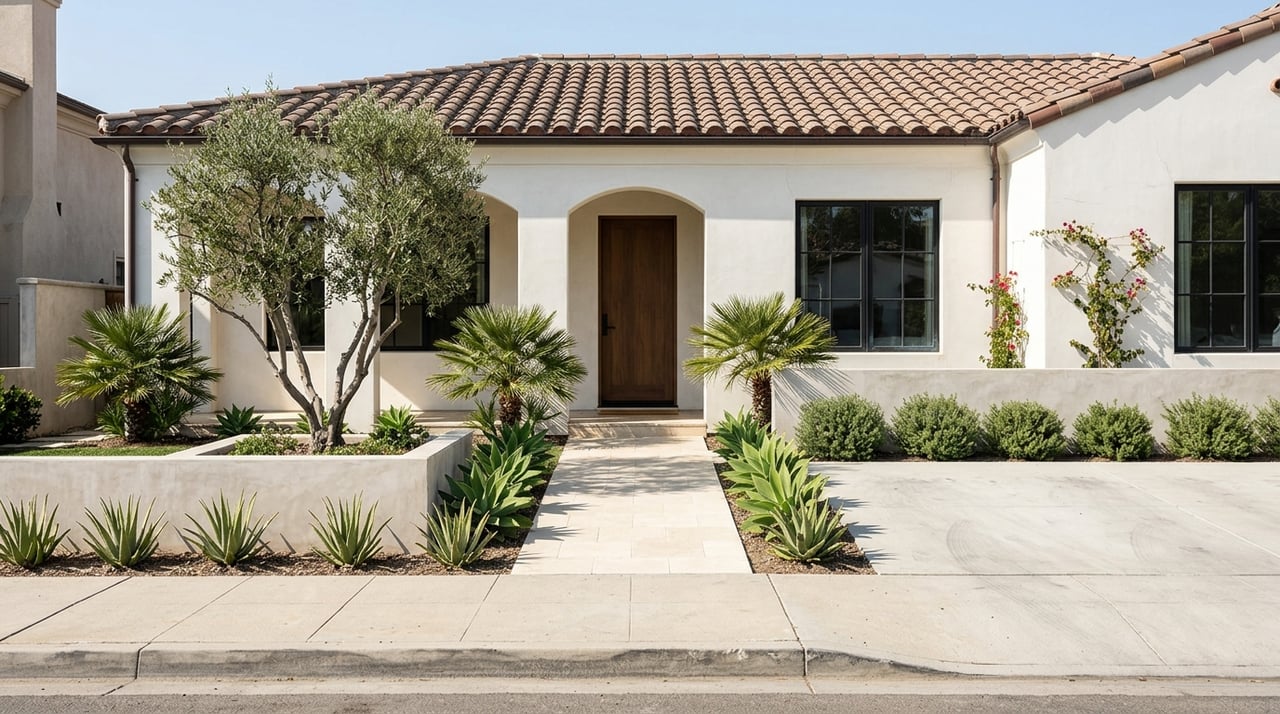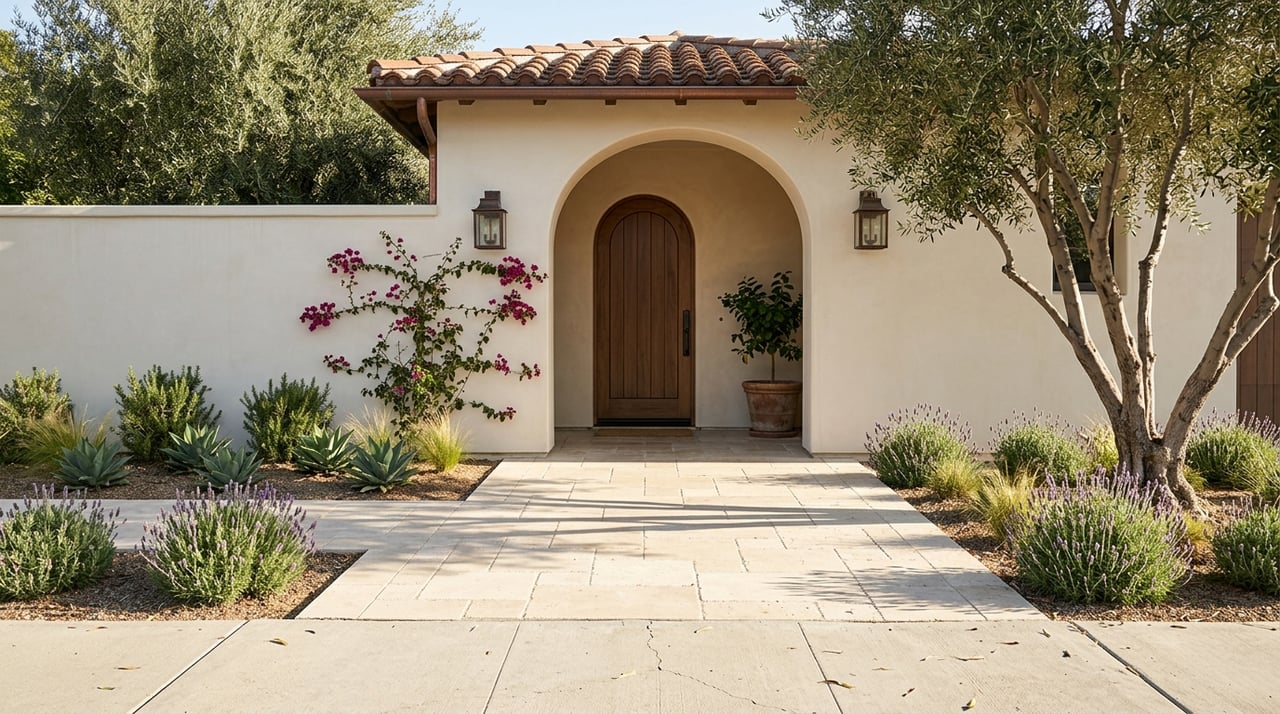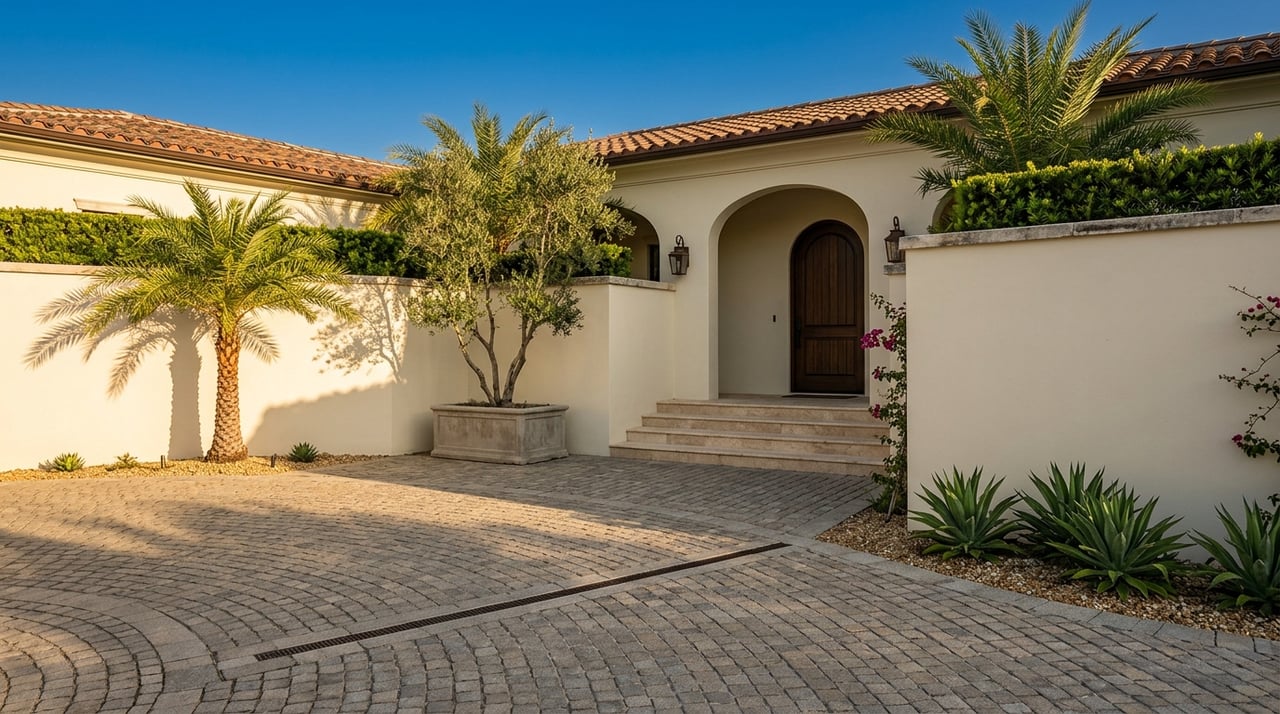
Looking for more privacy in Bel Air often raises a bigger question: what does “gated living” actually mean here? In this part of Los Angeles, a gate can signal very different ownership structures, access rules, and day-to-day realities. If you are weighing a purchase or simply trying to understand how gated properties compare, this guide will help you sort through privacy, access, and long-term value. Let’s dive in.
What gated living means in Bel Air
Bel Air is not one uniform gated district. The Bel Air-Beverly Crest Community Plan area spans about 9,900 acres, and city planning materials describe a landscape shaped by low-density single-family neighborhoods, scenic character, steep hillsides, and a protected natural setting.
That matters because gated living here can take several forms. You may find a private-road enclave, a gated community, or an individual estate on a street with walls, gates, and limited access, rather than one master gate controlling an entire district.
Survey and planning documents also note that some properties sit on private streets or inside gated communities, with narrow winding roads and hillside topography affecting access. In practical terms, the sense of privacy often comes from a mix of street layout, topography, landscaping, setbacks, and gate control.
Privacy in Bel Air is layered
A gate can add a clear layer of separation, but it is usually not the whole story. Historic planning records describe Bel Air streets as curved, topography-sensitive, and often ending in cul-de-sacs, which can naturally reduce through traffic and create a quieter setting.
That is why two homes can both be described as “gated” yet offer very different experiences. One may rely on a guard or controlled entrance, while another may feel private because of a long driveway, hillside placement, mature landscaping, and limited street visibility.
For many buyers, this distinction matters just as much as the gate itself. If privacy is a top priority, it helps to evaluate how the property is positioned, how visible the home is from the street, and how access is managed for residents and visitors.
Access control affects daily life
In Bel Air, access is not only about convenience. It is also tied to safety, circulation, and property operations, especially in hillside areas where roads can be narrow and winding.
The Los Angeles Fire Department reviews access through public and private streets and fire lanes for width, grade, turning radius, turnarounds, parking restrictions, load capacity, overhead clearances, and secured entrances. For gates, LAFD requires specific emergency access standards, including approved override devices for powered gates, opening within 10 seconds, and fail-safe operation during power loss.
For you as a buyer, that means a gate is part of a larger access system. Guest arrivals, deliveries, vendors, rideshare pickups, and contractor entry may all depend on codes, instructions, or community procedures.
Emergency access matters
The Community Plan notes that fire roads are necessary and desirable, but their presence does not automatically make them public streets. That distinction is important in Bel Air, where private circulation can be part of the ownership picture.
If a home sits behind a gate or on a private street, it is worth understanding how emergency access is handled. A property can feel wonderfully tucked away, but the practical side of access should be clear before you move forward.
Private streets require extra review
If a property is located on a private street, you should verify road ownership, maintenance obligations, and any city approval history. Los Angeles City Planning separately administers private-street matters, including processes related to older deemed-to-be-approved private streets.
This is one of the most important due-diligence points in Bel Air. A beautiful approach road can be part of the appeal, but you also want clarity on who maintains it, who shares responsibility, and how that affects long-term ownership costs and logistics.
Community rules often come with the address
Bel Air buyers are sometimes surprised to learn that community oversight may exist even when a property is not in a typical amenity-driven HOA. The Bel-Air Association, founded in 1942, has a public mission focused on homeownership enjoyment and property values through safety, security, beautification, emergency preparedness, and land-use advocacy.
That does not mean every home is in the same formal structure. It does mean community expectations can be part of the ownership experience, especially in enclaves where architectural consistency, access, and appearance are closely watched.
CC&Rs are not casual guidelines
In California, homeowners associations enforce rules and collect fees, and CC&Rs govern how the association operates. The California Attorney General notes that CC&Rs can regulate items such as fencing height and placement, while bylaws and board rules may add more detail.
The California Department of Real Estate also explains that in common interest developments, CC&Rs run with the land. In plain terms, when you buy the property, you are also accepting the recorded restrictions that come with it.
That is why document review matters so much in gated Bel Air purchases. Before you write or remove contingencies, it is wise to review the CC&Rs, rules, assessment history, reserve funding, and any procedures tied to gates, security, or design review.
Design review can shape ownership
Bel Air planning history shows that at least one tract included architectural review requirements through a committee approval process. That is a useful reminder that privacy and prestige often come with aesthetic and use restrictions.
For some buyers, that is a benefit. It can help preserve a consistent street setting and support the visual quality that makes certain Bel Air enclaves feel especially curated.
For others, it may affect renovation plans or exterior changes. If you are buying with future improvements in mind, you will want to confirm how much control an association or review body has over design decisions.
Does gating increase value?
The short answer is: sometimes, but not by itself. Research generally shows that gated communities can carry a price premium, but that premium is not uniform and does not always hold up the same way across different markets or price tiers.
A 2015 Journal of Real Estate Research study found significant premiums in gated communities, with the largest premiums in medium-size communities, while those premiums faded in higher-priced communities after the financial crisis. A 2022 study in Managerial Finance found higher prices in communities with gates, guards, or patrols, but suggested the broader security package mattered more than the gate alone.
A Los Angeles study covering 1980 to 2000 reached a similarly nuanced conclusion. It found that gated communities may create a short-term premium, but long-term value protection was stronger in larger, wealthier enclaves, while many average gated enclaves did not sustain meaningful premium growth.
In Bel Air, the gate is one factor
For Bel Air specifically, the gate is usually just one piece of the value story. Lot size, architecture, views, privacy, maintenance quality, street setting, and the consistency of community upkeep may matter just as much, and in some cases more.
That aligns with the local planning emphasis on scenic character, low-density housing, and architectural integrity. In other words, buyers are often paying for the total environment, not simply the presence of an entry gate.
How to evaluate a gated Bel Air property
When you compare homes, it helps to separate the label from the actual ownership and access structure. Not all “gated” properties offer the same experience.
Here are the main points to review:
- Determine whether the property is in a fully gate-controlled community, a private-street enclave, or an individually gated estate.
- Review how guest access, deliveries, service providers, and contractor entry are handled.
- Confirm whether the street is public or private.
- Verify road maintenance obligations and any shared-cost arrangements.
- Read the CC&Rs, rules, and bylaws carefully.
- Check assessment history, reserve funding, and any special assessments.
- Understand whether architectural review applies to exterior changes or future additions.
- Ask how emergency gate access is set up and whether the property meets local access requirements.
If you are buying in Bel Air for privacy, it is smart to look beyond first impressions. The best opportunities usually reveal themselves when the physical setting, legal structure, and day-to-day logistics all make sense together.
Why local guidance matters
Bel Air gated properties can look straightforward from the street while involving layered details behind the scenes. Access control, private-street status, community rules, and long-term value are all tied to specifics that can vary from one enclave to the next.
That is where experienced local representation can help. A strong buyer strategy is not just about finding a beautiful home. It is about understanding what you are inheriting with the address, what supports long-term enjoyment, and what protects value over time.
If you are considering a gated home in Bel Air and want clear guidance on privacy, access, and resale considerations, schedule a confidential consultation with Marc Robinson.
FAQs
What does gated living in Bel Air usually include?
- In Bel Air, gated living may refer to a private-road enclave, a formal gated community, or an individual estate with controlled entry, rather than one single gated district.
What should buyers check about private streets in Bel Air?
- You should verify road ownership, maintenance responsibilities, and any city approval history if the property is on a private street.
How do HOA rules affect gated homes in Bel Air?
- HOA rules and CC&Rs can regulate property use, design elements, fees, and maintenance obligations, and those restrictions typically transfer with the property when you buy.
Does a gate automatically add resale value in Bel Air?
- Not necessarily. Research suggests gates can contribute to value, but privacy, views, lot size, architecture, upkeep, and the overall community setting often matter just as much.
Why is emergency access important for gated property in Bel Air?
- In hillside areas, gate operation and street access are important because local fire access standards review items like width, grade, turning radius, and emergency gate entry.