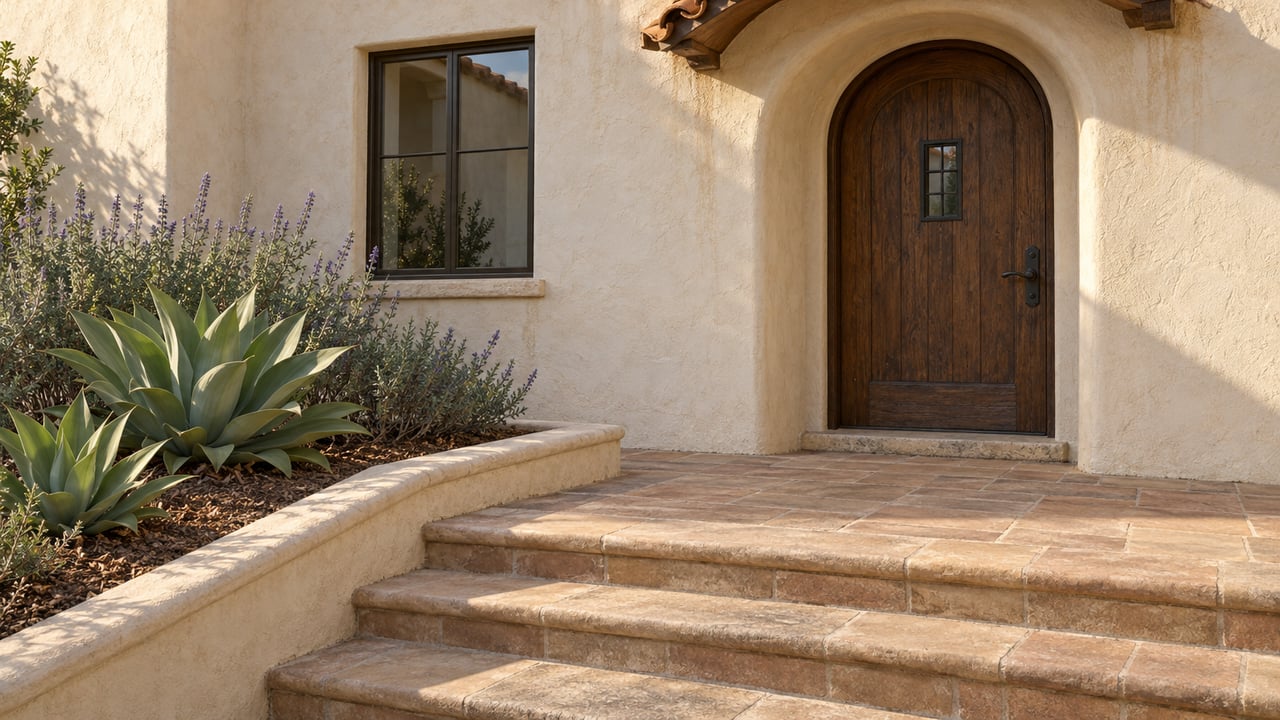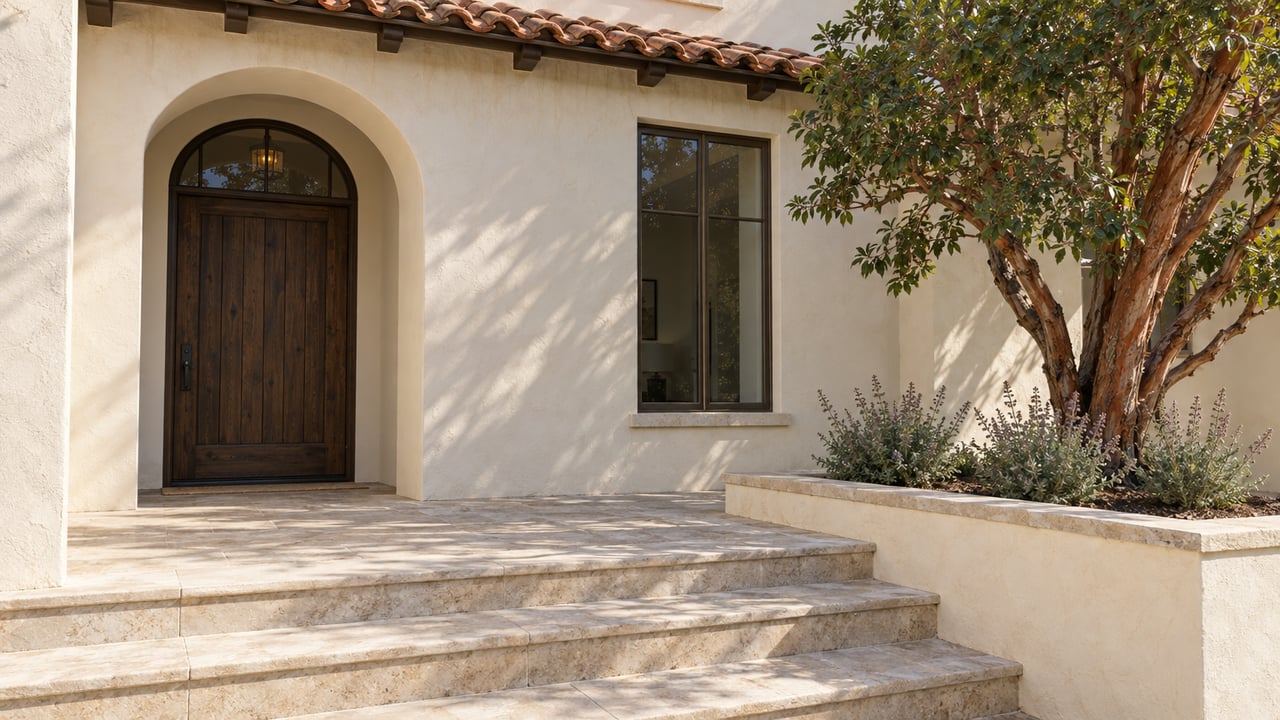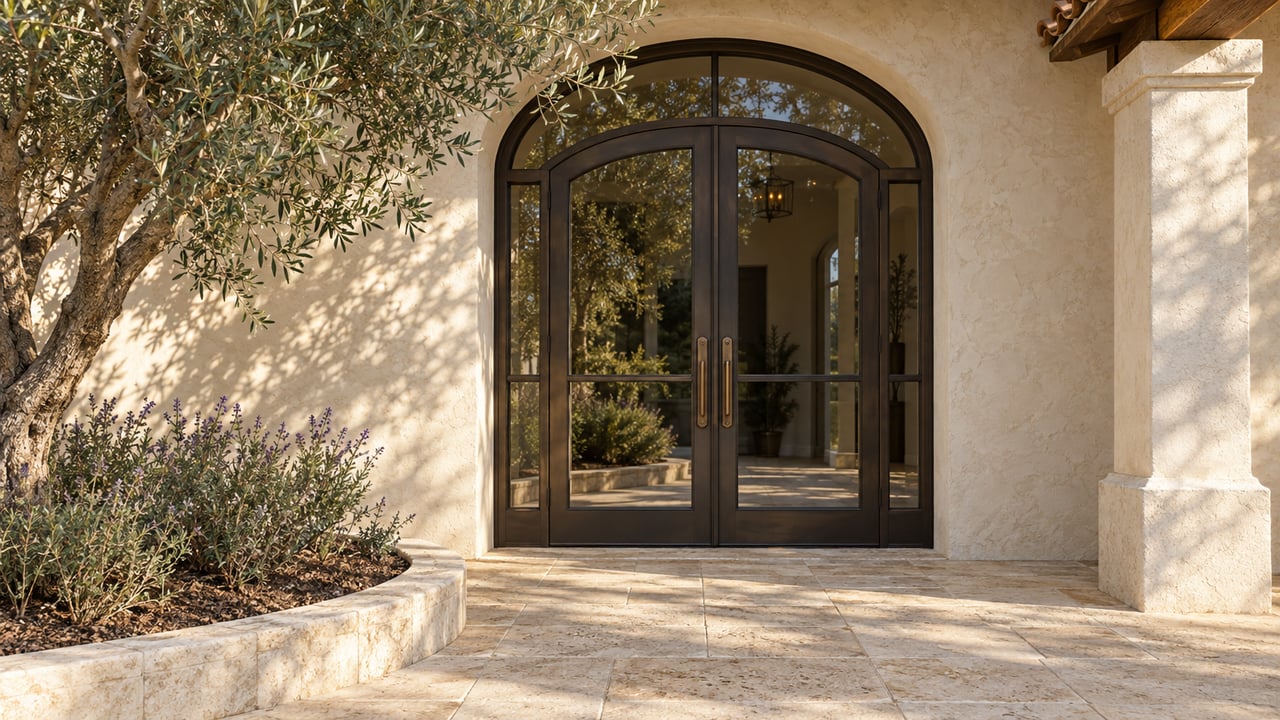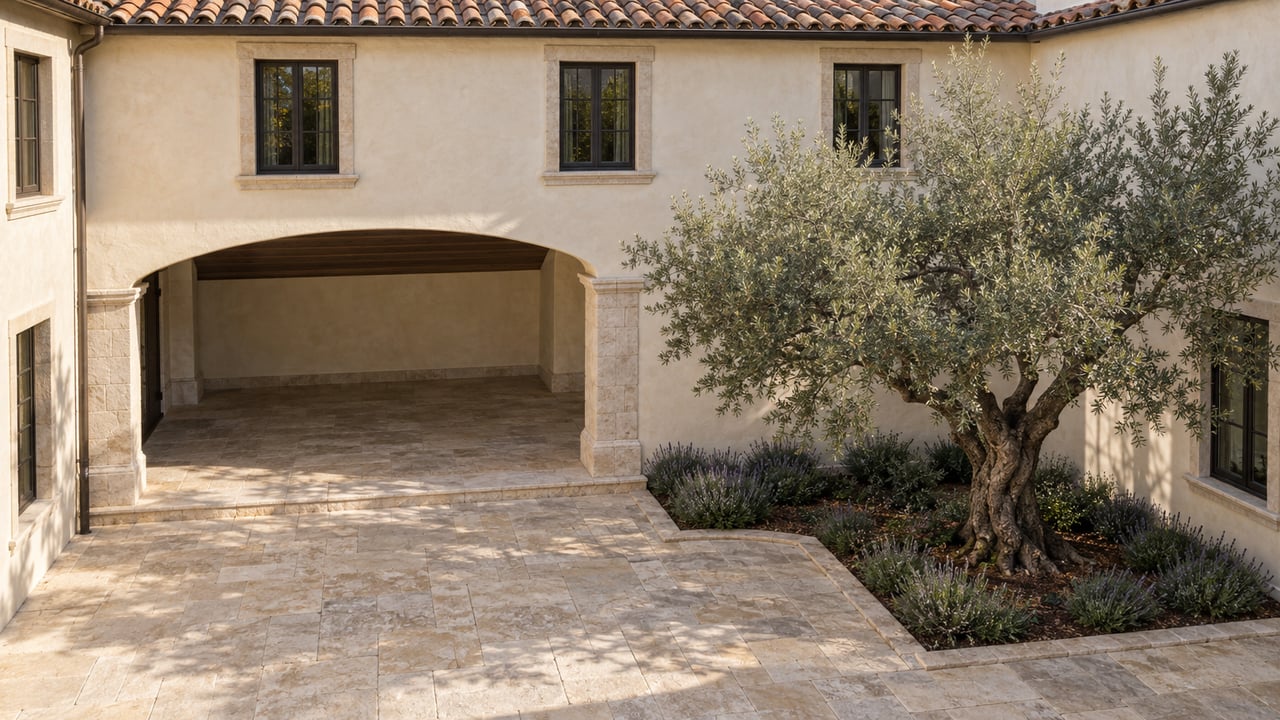
Pricing a Bel Air estate is not like pricing a typical Los Angeles home. One nine-figure sale can skew the averages, and two lots on the same street can trade very differently based on privacy, views, and pedigree. If you want the strongest price without getting stuck on the market, you need a plan anchored in local evidence and clear tradeoffs. This guide gives you a practical framework to price with confidence, present with intent, and protect your net. Let’s dive in.
Bel Air market reality today
Bel Air is a thin, ultra-luxury micro-market with wide swings between median and top-tier sales. A handful of trophy closings can pull averages up, while the center-of-market estate may sit well below those headlines. Recent Los Angeles coverage shows episodic nine-figure trophy activity in the Holmby Hills and Bel Air area, which is exciting but not a reliable benchmark for most properties. You should treat neighborhood medians as context, then build a micro-comp set tailored to your estate’s street, terrain, and features. For perspective on trophy sales that can influence headlines, review the market summary of record closings in Los Angeles in 2025 from The Real Deal.
What drives value in Bel Air
Location, privacy, and access
Micro-location in Bel Air matters more than broad averages. East Gate, Upper Bel Air, and the Crest each pull in different buyer pools and price responses. Privacy factors like long gated drives, hedged perimeters, and controlled sightlines often carry a purpose-specific premium for high-profile buyers. Tighten your comp set to the immediate micro-pocket so those privacy elements are properly weighted.
Lot size and usable acreage
In Bel Air, flat, usable land often outranks raw interior square footage. A broad motor court, guest parking, and a generous building pad can change livability and redevelopment options. Parcel assemblages and compound potential can push value further, as seen in Westside megasales covered by The Real Deal. When adjusting comps, reference assessor maps, surveys, and contours, not just lot size on paper.
Views and orientation
View premiums are real and can be large. Academic hedonic studies show that unobstructed city or ocean views can add meaningful percentage premiums over homes without views. In Bel Air, classify view quality precisely as panoramic, partial, or framed, and document sightlines with photography and drone assets. For background on how view premiums are modeled, see the hedonic analysis summarized in this study on the value of a view.
Architectural pedigree and provenance
Architectural pedigree and cultural relevance can elevate demand, especially for collector buyers. Provenance, notable designers, and published restorations help position a property as more than a residence. Coverage of properties like Casa Encantada illustrates how architectural storytelling supports trophy positioning and buyer perception. Explore how high-profile Bel Air estates are framed in Architectural Digest’s reporting.
Condition, systems, and turnkey readiness
Ultra-luxury buyers value modern systems, security, and life-safety upgrades. If a property is priced primarily for land value, buyers will model significant capital expenditures and reflect that in offers. Staging and perceived move-in readiness also influence speed and price. The National Association of REALTORS notes that professional staging can shift buyer perception and reduce days on market. Review NAR’s insights on staging and buyer response.
Amenities and service model
Subterranean parking, guesthouses, wellness suites, and staff-support spaces matter at the top end. Document built-in amenities clearly and separate them from personal property or furnishings. Present a clean inventory so appraisers and buyers can compare like to like.
How to price with confidence
Build a Bel Air micro-comp set
Start with 6 to 12 months of local closed sales closest to your micro-pocket. Widen the radius and look back 24 months only if you must, and make explicit adjustments for lot usability, view, privacy, and architectural pedigree. When comps are thin, appraisers often increase reliance on the cost and land allocation approaches in addition to sales comparison. You can help the process by commissioning a pre-listing opinion from an appraiser experienced with Los Angeles ultra-luxury, and by documenting a clear rationale for adjustments. For context on valuation approaches when comps are scarce, review guidance from the Appraisal Institute and this primer on reconciliation from MMCG.
Do not rely on price per square foot alone
Price per square foot can be a useful cross-check, but it is not a lead indicator in Bel Air. In this submarket, land, terrain, privacy, and view often drive more value than interior square footage. Use price per usable acre, land-to-improvement allocation, and replacement cost as alternative reference points when you present your price case.
Use three pricing scenarios
Create a short list of scenarios with tradeoffs so you stay in control:
- Market price: The highest probability of sale within your target timeframe.
- Exposure price: Tests the upper limit and accepts longer days on market.
- Strategic underprice: Slightly under market to encourage competition when conditions call for a bid-driven outcome.
Document expected days on market, likely buyer type, and net proceeds for each scenario.
Anticipate appraisal and financing friction
Even in a cash-heavy segment, appraisal gaps can surface when a buyer uses portfolio or jumbo financing. Thin comps and subjective adjustments add risk. Mitigate that by securing a qualified pre-listing appraisal, packaging permits and renovation invoices, and offering a comp narrative the appraiser can use. The Appraisal Institute underscores the need to justify weighting among sales, cost, and income approaches when unique properties are involved.
Marketing choices that impact price power
Public vs private exposure
A full MLS launch maximizes transparent market testing and competitive tension. A controlled or off-market approach preserves privacy but can limit discovery and reduce bidding pressure. Clear Cooperation rules and ongoing litigation have reshaped pocket listing practices, so document your privacy tolerance and the expected tradeoff before you choose. For context on policy and litigation trends, see Inman’s coverage.
Auctions and curated sales channels
Concierge-style auctions and curated broker-only campaigns can compress timelines and reach international collectors. They can be powerful for unique assets if the fee structure and terms align with your goals. Explore current Bel Air and Holmby sell-through dynamics via Concierge Auctions’ market view and request full counsel before you select this path.
Presentation and staging that moves the needle
High-quality architecture photography, film, drone, and floor plans allow buyers and appraisers to understand the property’s strengths. Staging or designer rentals can clarify scale and lifestyle. NAR’s research indicates staging can shorten days on market and influence offers. Revisit the NAR staging guidance and plan your media package before you go live.
Factor Los Angeles transfer taxes into pricing
If your Bel Air estate sits within the City of Los Angeles, Measure ULA adds an additional documentary transfer tax for non-exempt sales above indexed thresholds. Recent guidance indicates an added tax of about 4 percent on the portion of transfers between roughly $5.3 million and $10.6 million and about 5.5 percent above that. This is in addition to the base city and county transfer tax, which has historically been around 0.56 percent combined. Model these taxes into your pricing and net proceeds, and confirm your parcel’s jurisdiction because nearby municipalities may have different rules. Read a practical summary from Hanson Bridgett and verify current thresholds with your attorney or CPA.
A clear 10-step pricing and launch plan
Define objectives. Clarify what matters most: time to close, price ceiling, or privacy. Rank them so tradeoffs are clear.
Commission a micro-market CMA. Build comps from the closest streets and relevant terrain. Expand the window only as needed, and document adjustments.
Get a pre-listing appraisal for high-value targets. Use a luxury-experienced appraiser to spot issues early and reduce appraisal gap risk. See the Appraisal Institute for guidance.
Resolve key maintenance items. Address systems, roof, pool, or hillside work that may slow buyers or appraisers.
Assemble documentation. Permits, capital improvement invoices, and surveys are evidence buyers and appraisers rely on. A concise comp memo and improvement log help. This valuation reconciliation primer outlines how evidence supports conclusions when comps are scarce.
Stage and produce premium media. Plan architecture-grade photography, drone, video, and floor plans. Present sightlines and scale with intent.
Choose the listing channel. Decide between full public launch, firm-exclusive, or targeted off-market based on your privacy threshold and price goals. Review policy context in Inman’s report.
Launch with a focused exposure window. Target 10 to 21 days of active outreach and careful follow-up with qualified buyers.
Monitor signals and adjust once. If traffic or offers lag against plan, make one strategic adjustment rather than multiple small cuts.
Negotiate for certainty and net. In a cash-heavy tier, clean terms and speed often matter as much as headline price. Protect net proceeds by weighing tax, carry, and time-to-close.
Why work with Marc Robinson
You get a design-led strategist who understands how Bel Air buyers evaluate privacy, land use, and pedigree. As a Certified Negotiation Expert, I focus on value capture while protecting your leverage through timing and terms. My architectural and creative background powers curated staging and story-driven marketing that clarifies why your estate deserves its price. With global reach through Keller Williams and private distribution when needed, you get broad exposure without sacrificing personal attention.
If you are considering a sale or want a second opinion on price, let’s talk. Schedule a confidential consultation with Marc Robinson and get a clear, data-led plan for your Bel Air estate.
FAQs
How are Bel Air comps chosen for luxury estates?
- You build a micro-comp set from the closest streets and similar terrain, then adjust for usable acreage, privacy, views, pedigree, and condition. When comps are thin, a qualified appraiser also weighs cost and land allocation approaches, supported by permits and improvement records.
What is Measure ULA and how does it affect my sale?
- Measure ULA adds a supplemental transfer tax inside the City of Los Angeles above indexed price thresholds, on top of the base city and county rate. At ultra-luxury prices this can materially change your net, so you should model it early and confirm current thresholds and exemptions with your attorney or CPA.
Should I price under market to spark bidding in Bel Air?
- Strategic underpricing can create competitive tension when the buyer pool is deep and the home is turnkey. It is one of three scenarios to model alongside a market-price plan and an exposure-price test. Choose based on your objectives, timing, and the strength of current demand.
How do views impact pricing for Bel Air homes?
- High-quality, unobstructed city or ocean views can command sizable premiums over limited or no views. Classify the view as panoramic, partial, or framed, and support the case with photography and drone assets so buyers and appraisers can quantify the benefit.
Is off-market the right move for my Bel Air estate?
- Off-market or firm-exclusive exposure can protect privacy but may reduce open competition that pushes price. If privacy is critical, a controlled campaign can work. If top-dollar is the goal, a full public launch often creates better bidding dynamics within your targeted exposure window.