Fallen for a 1920s Hancock Park beauty and wondering what you can change, how fast, and at what cost? You are not alone. Buying in this historic district blends high character with a clear set of rules that shape renovations and, ultimately, value. In this guide, you will learn the essentials of Hancock Park’s Historic Preservation Overlay Zone, what triggers reviews, how approvals affect timing and budgets, and the smart due diligence to do before you write an offer. Let’s dive in.
Why Hancock Park’s protections matter
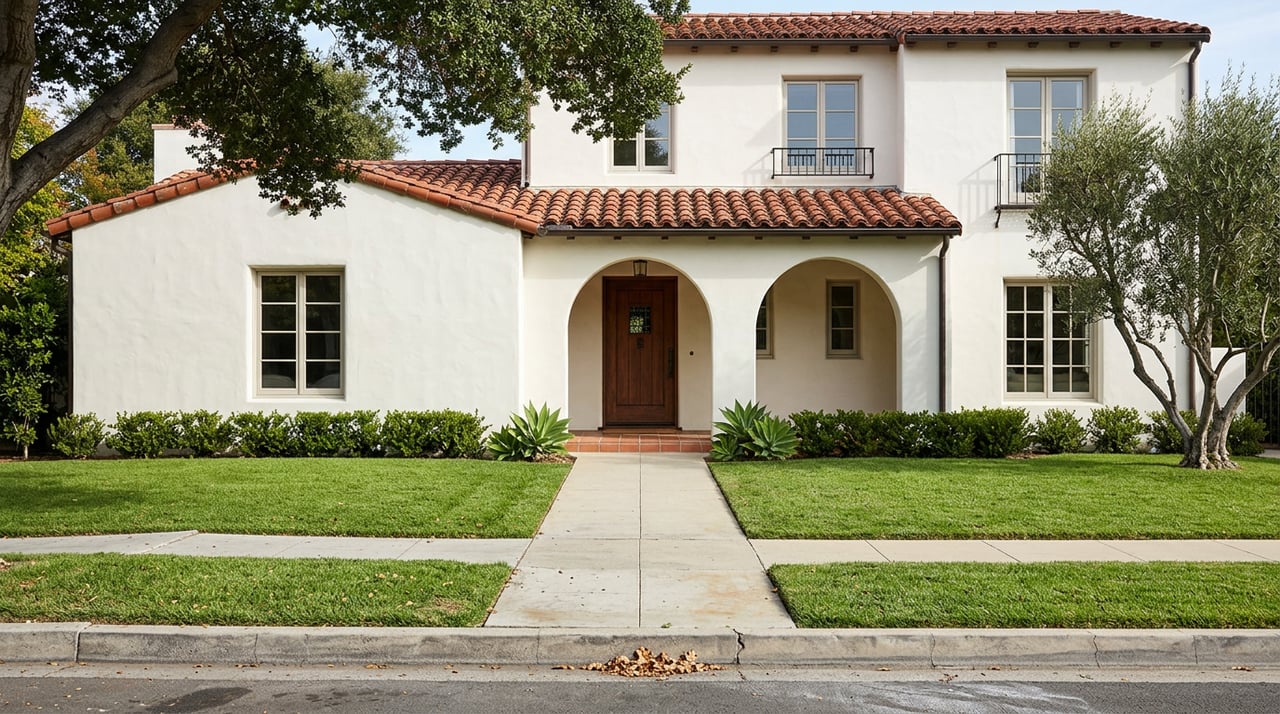
Hancock Park is a City of Los Angeles Historic Preservation Overlay Zone. The neighborhood’s Hancock Park HPOZ page and adopted Preservation Plan lay out what makes the district special and how changes are reviewed. The plan focuses on preserving the street‑visible character of the 1920s Period Revival estates, including façades, roofs, porches, front yard elements, and the larger streetscape.
This protection is a feature, not a bug. It helps keep the architectural rhythm of wide setbacks, side driveways and porte‑cochères, and period detailing. That consistency is part of the neighborhood’s lasting appeal and supports long‑term value for homeowners who invest with care.
What the HPOZ protects
- Exterior work that is visible from the street is the focus. That includes façades, roofs, porch elements, front yard paving and fencing, and other character‑defining details. The Preservation Plan provides specific, style‑by‑style guidance.
- Interior work is generally not reviewed by the HPOZ. Your interior design updates typically proceed through standard building permits where needed.
- The plan also guides how additions and infill should look so they remain compatible with the historic fabric of the block.
What gets reviewed, and what does not
The Preservation Plan outlines three common paths for proposed work:
- Exempt work. Some routine items are exempt, such as interior remodels and certain rear‑yard items, along with paint color in many cases. Always confirm the exact exemption language for your property in the Preservation Plan.
- Conforming Work (administrative review). In‑kind repairs and like‑for‑like replacements that match the plan’s guidance are often cleared by staff. This path is faster and is ideal for routine maintenance or limited exterior changes that clearly meet the standards.
- Certificate of Appropriateness or Compatibility (board review). Larger projects go to a public hearing with the HPOZ Board. Notably, demolition affecting 30 percent or more of a Contributing structure’s square footage or additions that increase a Contributing building’s square footage by 30 percent or more require a formal Certificate and board recommendation. The plan spells out the thresholds and submittals.
A useful example from the plan shows how preservation and building code intersect: if in‑kind wood shake roofing is not allowed by modern safety code, the plan accepts a simulated wood shake as an appropriate substitute where in‑kind is prohibited. The point is to match the historic look while meeting code.
Contributing vs. Non‑Contributing: why it matters
Every Hancock Park parcel is identified in the district’s Historic Resources Survey as either Contributing or Non‑Contributing. Contributing properties retain enough original character to represent the district’s period and therefore are held to a higher standard. Non‑Contributing properties follow different review paths because they do not share the same historic integrity.
Before you buy, confirm the classification. You can reference the survey materials through the Preservation Plan and explore city survey data via HistoricPlacesLA, described by the City and its partners here. Your classification will influence design expectations, submittals, and timelines.
Timelines and approvals: realistic expectations
Small, clearly conforming maintenance projects are often signed off administratively, which keeps things moving. Larger or more visible changes can require a public hearing with the HPOZ Board. In Hancock Park, the board typically meets twice monthly on the second and fourth Wednesdays, so meeting calendars can affect scheduling.
By law, once your Certificate of Appropriateness application is deemed complete, the City must issue a determination within 75 days unless you agree in writing to extend. That 75‑day clock is set in LAMC Section 12.20.3. Keep in mind that getting to the “complete” stage takes its own time, and design revisions or appeals can extend the overall schedule.
HPOZ review is separate from Department of Building and Safety permits. You will still need building permits as required, and the City may withhold permit clearances if violations exist. Review the City’s Historic District Project Review overview to see how the HPOZ process fits with LADBS plan check.
Budget impacts: what to plan for
Historic renovations are not one‑size‑fits‑all, but several common cost drivers apply in Hancock Park:
- Materials and craft. Preservation favors repair in‑place and in‑kind replacement where possible. That might mean custom millwork, period‑appropriate roofing, matching stucco profiles, or arroyo stone. These can cost more than standard materials. The National Park Service guidance reinforces that repairing windows and detailing often preserves more value than full replacement. See their overview on evaluating historic windows.
- Specialist labor and time. Skilled plasterers, carpenters, millworkers, and window conservators often charge premiums and move at a careful pace. The NPS’s notes on weatherizing historic windows and doors illustrate how craftsmanship and sequencing affect timelines.
- Code upgrades and hidden issues. Opening walls can reveal wiring, plumbing, foundation, or termite/rot issues. Seismic and life‑safety work add cost. For qualified historic properties, the California Historical Building Code can offer preservation‑sensitive compliance paths that sometimes save time or money. Explore incentives and technical options through the City’s historic resources incentives page.
- Incentives and offsets. The Mills Act program can reduce property taxes for qualifying historic properties in exchange for maintenance obligations. It requires an application and approval by the City. Learn more on the City’s Mills Act program page.
Bottom line: plan a realistic budget with specialist bids, a preservation‑aware architect or consultant on larger projects, and a contingency for surprises. When work is clearly in‑kind, documenting that can help it qualify for the faster Conforming Work pathway.
How to speed approvals and protect your design vision
- Start with the right playbook. Review the sections of the Preservation Plan that match your home’s style and the scope you are considering. It is surprisingly specific and can save design time.
- Favor in‑kind repairs. Like‑for‑like materials and profiles usually move faster under Conforming Work. When exact replacement is not feasible due to code, choose historically sympathetic alternatives the plan recognizes.
- Bring in the right team early. A preservation‑experienced architect or contractor can flag issues before they become redesigns. For projects that may not be conforming, request an early conversation with the assigned HPOZ planner.
- Sequence HPOZ and permits together. Plan your HPOZ clearance path before you start major LADBS plan check to avoid permitting delays.
Buyer due diligence before you write an offer
Use this quick checklist to confirm risks and opportunities upfront:
- Verify HPOZ status and boundaries for the exact parcel. Confirm whether the property is in the Hancock Park HPOZ and review its Preservation Plan on the City’s HPOZ page.
- Check the property’s classification. Review whether the home is Contributing or Non‑Contributing using the survey information referenced in the plan and the City’s survey database resources highlighted here.
- Pull permit and code records. Use the City’s portal to research LADBS permits and potential code enforcement issues. Start with the City’s zoning and permit lookup page. Look for unpermitted exterior work or demolition.
- Request seller documentation. Ask for past HPOZ approvals, Certificates of Appropriateness, building permits, and as‑built drawings for additions. Note approval dates and whether staff or the board signed off.
- Ask about Mills Act status. If the property is under a Mills Act contract, get a copy and understand the maintenance obligations. See the City’s Mills Act page for program structure.
- Order specialized inspections. Beyond the general inspection, get roof, foundation, plumbing, and electrical checks. Commission an exterior condition survey focused on windows, porches, stucco, and masonry.
- Talk to the planner early. Reach out to the assigned HPOZ planner listed on the Hancock Park HPOZ page. If your concept is sizable, consider attending a board meeting or asking for early feedback.
Nearby neighborhoods: how rules differ
You will find a few nearby historic enclaves with different oversight structures. Windsor Square and Wilshire Park are also City HPOZs, each with its own Preservation Plan and board. Fremont Place is a private, gated enclave that relies on covenants and an association review process rather than a city HPOZ. The takeaway is simple: even within a tight geography, review tools and decision makers can vary, so confirm the rules for any neighborhood you are considering.
The rewards of buying historic in Hancock Park
If you value craftsmanship, proportion, and a cohesive streetscape, Hancock Park delivers. The HPOZ framework helps protect the look and feel that drew you in, and it directs change so quality prevails. With the right plan, you can update for modern living while respecting the home’s architecture. That balance is why these properties remain sought after year after year.
Ready to explore historic homes with a plan that protects your design vision, timing, and budget? Connect with Marc Robinson to schedule a confidential consultation.
FAQs
What is the Hancock Park HPOZ and why does it matter?
- It is a City of Los Angeles historic district with a Preservation Plan that guides street‑visible changes, helping preserve the neighborhood’s 1920s estate character and long‑term appeal.
Does the HPOZ review interior remodels in Hancock Park?
- Interior work is generally outside HPOZ review, though standard building permits may still apply through LADBS.
What projects require a Certificate of Appropriateness in Hancock Park?
- Larger changes, including demolition of 30 percent or more of a Contributing structure or additions that increase a Contributing building by 30 percent or more, typically require a public hearing and formal approval.
How long can HPOZ approvals take for major work?
- After your application is deemed complete, the City must issue a determination within 75 days under LAMC 12.20.3, though completeness review and revisions can extend total timelines.
Will historic materials make my project more expensive?
- Often yes. In‑kind repairs, period‑appropriate materials, and specialist trades add cost and time, though they protect character and can qualify for faster administrative approvals if clearly conforming.
Can incentives like the Mills Act lower my carrying costs?
- Potentially. The Mills Act can reduce property taxes for qualifying historic properties in exchange for maintenance obligations. Review the City’s Mills Act program for details.
How do I check if a Hancock Park property is Contributing or Non‑Contributing?
- Review the district survey through the Preservation Plan and consult the City’s HistoricPlacesLA resources described here; classification affects review level and design expectations.