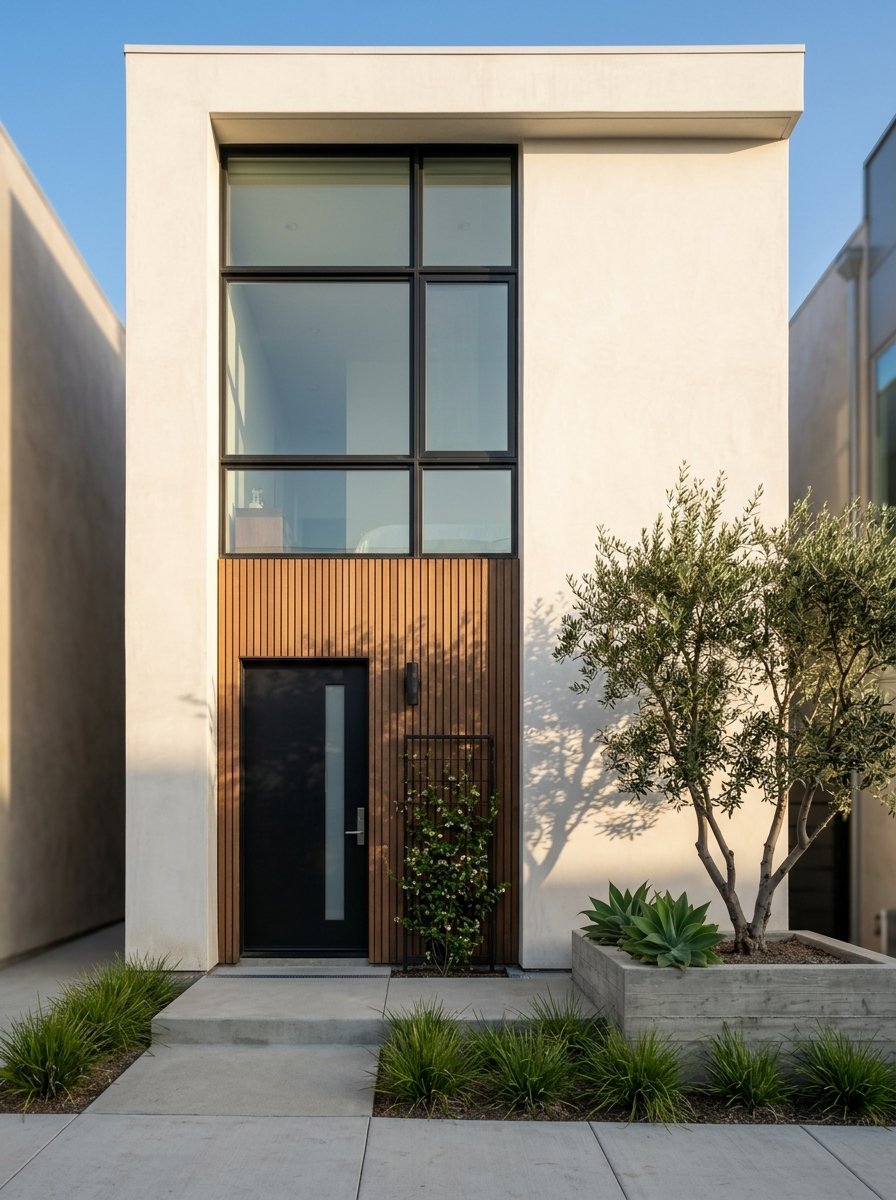
If you are deciding between a condo and a small-lot home in West Hollywood, you are not just choosing a floor plan. You are choosing a lifestyle, an ownership structure, and a day-to-day living experience in one of Los Angeles County’s most compact and competitive housing markets. The good news is that once you understand how privacy, parking, HOA obligations, and resale dynamics work here, the right fit becomes much clearer. Let’s dive in.
West Hollywood’s Housing Mix Matters
West Hollywood is a rental-heavy city with a relatively small share of owner-occupied housing. Census data show an owner-occupied housing unit rate of 19.8%, with a median owner-occupied home value of $924,800 and median monthly owner costs with a mortgage of $3,937.
That ownership mix shapes what you are likely to find on the market. City data show that condominiums account for 6,075 parcels, or 65% of residential parcels, while single-family homes account for only 1,230 parcels, or 13%. In practical terms, condos are the dominant ownership product in West Hollywood.
That imbalance matters when you start touring properties. If you want a broad range of choices, condos will usually give you more inventory to consider. If you want something that feels more like a house, your options may be narrower and concentrated in specific pockets.
What a Condo Really Means
In California, condos and many townhome-style communities are part of common interest developments. That means there is usually an HOA that makes and enforces rules, collects dues and assessments, and operates under a board and recorded governing documents.
For you as a buyer, that creates both convenience and responsibility. A condo can offer lower-maintenance urban living because exterior upkeep and shared spaces are often managed through the association. At the same time, your ownership comes with monthly dues, rules about use, and the possibility of special assessments.
California also requires a fairly detailed disclosure process for HOA properties. Buyers receive governing documents and transfer disclosures that can include assessment and fine information, rental restrictions, and, on request, board minutes and the latest inspection report.
The annual budget report is especially important. Under California law, associations must provide a budget package that includes a pro forma operating budget, reserve summary, reserve funding plan, anticipated special assessments, and an insurance summary. Reserve studies must also be performed at least once every three years when required by statute, with annual board review.
What a Small-Lot Home Can Mean
A small-lot home often appeals to buyers who want a more house-like experience without leaving an urban setting. The challenge is that the term can describe properties with different ownership and maintenance structures, even when two homes look very similar from the street.
The California Department of Real Estate notes that planned developments can include common areas, and exclusive-use common areas may include private yard areas, driveways, and parking spaces. So a small-lot home may offer a private entry, a more independent layout, or exclusive outdoor space, but it can still come with HOA obligations and shared responsibilities.
That distinction is important in and around West Hollywood. In nearby Los Angeles, the Small Lot Ordinance allows fee-simple ownership of free-standing single-family homes and attached townhouses in multi-family and commercial zones. Because of that, one small-lot property may function more like a standalone house, while another may still operate more like a community-governed ownership structure.
The takeaway is simple: do not assume a small-lot home automatically means no HOA, no shared costs, or no restrictions. The legal and practical details need to be reviewed property by property.
Privacy and Outdoor Space
For many buyers, this is where the decision becomes more emotional and more practical at the same time.
Condos usually provide the least private living experience because walls, hallways, entries, and amenities are often shared. If you are comfortable with a more connected residential environment and value convenience over separation, that may not be a drawback.
Small-lot homes typically feel more private. They often have their own front doors and may include exclusive-use yards or parking spaces. Even so, the lot is still compact, and design standards in this type of housing usually emphasize pedestrian access, entry orientation, and shared or common open-space concepts rather than large private yards.
If your ideal home includes a stronger sense of separation, a direct entry, and some outdoor space that feels more personal, a small-lot home may fit better. If your priority is efficient, lower-maintenance ownership in a central location, a condo may be the more practical choice.
Parking Is a Bigger Deal Than You Think
In West Hollywood, parking deserves more attention than many buyers initially give it.
The city says it is removing minimum parking requirements citywide, and planning materials note that AB 2097 already blocks minimum parking in almost all of West Hollywood because the entire city is within a high-quality transit area. The city also states that these changes mainly affect new development, not existing buildings or residential permit programs.
For everyday living, West Hollywood uses a district-based resident parking system. Only vehicles parked in signed restricted areas need permits, permits do not guarantee a space, and permits are not valid across districts. If you have off-street parking available, you do not need a permit unless you are parking on the street.
That makes an included garage, carport, or assigned off-street space a meaningful quality-of-life feature. Whether you are buying a condo or a small-lot home, parking should be reviewed as carefully as the kitchen or primary suite.
Neighborhood Context Can Shape the Choice
West Hollywood’s limited single-family housing stock is not spread evenly across the city. City data show that non-owner-occupied parcels cluster in areas such as Norma Triangle and West Hollywood West, where single-family homes and smaller buildings are more prevalent.
The city’s adopted plans describe these areas as small-lot residential neighborhoods with narrow, tree-lined streets and a strong preservation focus. Norma Triangle, for example, is described by the city as a 173-parcel neighborhood with a mix of one- and two-story buildings.
For you, that means the small-lot home conversation is often tied to a specific location and a more limited supply. A condo search may be broader and more flexible across West Hollywood. A small-lot home search may require more patience and a sharper understanding of micro-location and property type.
Resale: Breadth vs. Scarcity
From a resale standpoint, condos usually benefit from a broad comp base in West Hollywood because they are the city’s dominant owned product. That can make pricing and value comparisons more straightforward. It can also mean more direct competition when you decide to sell.
The tradeoff is that condo resale is closely tied to HOA health. Buyers tend to look closely at reserve funding, special-assessment risk, insurance summaries, and rental rules, all of which appear in the statutory disclosure package.
Small-lot homes can benefit from scarcity, especially in West Hollywood’s limited single-family pockets. That scarcity may appeal to buyers who want something harder to find and more house-like in character.
Still, scarcity alone is not the full story. Two similar-looking properties can carry very different title structures, HOA obligations, maintenance responsibilities, and parking arrangements depending on whether they are condos, planned developments, or fee-simple small-lot homes.
How To Decide Between the Two
If you are weighing both options, focus on how you actually want to live rather than which label sounds more appealing.
A condo may be the better fit if you want:
- Lower-maintenance ownership
- More inventory and more resale comps
- Shared amenities or managed common areas
- A more urban, lock-and-leave lifestyle
- Comfort with HOA governance and monthly dues
A small-lot home may be the better fit if you want:
- A more private, house-like feel
- A private entry and potentially more separation from neighbors
- Possible exclusive-use yard or parking areas
- Greater day-to-day autonomy in how the home feels
- Willingness to accept compact lots and possible community rules
The key is to look past appearances. In West Hollywood and nearby Los Angeles neighborhoods, the smartest comparison is not condo versus house in the abstract. It is ownership structure versus ownership structure, parking arrangement versus parking arrangement, and lifestyle fit versus lifestyle fit.
What To Review Before You Buy
Before you commit to either property type, make sure you review the details that most affect your daily life and long-term value.
For a condo, pay close attention to:
- HOA dues and what they cover
- Reserve funding and recent reserve study information
- Any anticipated special assessments
- Insurance summaries
- Rental restrictions and use rules
- Parking assignment and guest parking access
For a small-lot home, pay close attention to:
- Whether ownership is fee-simple or part of a planned development
- Any HOA dues or shared maintenance obligations
- Exclusive-use versus truly owned outdoor areas
- Parking configuration and access
- Shared driveways, common spaces, or community rules
- How the property compares to nearby resale inventory
In a market as nuanced as West Hollywood, this is where experienced guidance matters. The right property is not just the one that photographs well. It is the one whose structure, disclosures, and lifestyle tradeoffs align with your goals.
If you want help evaluating West Hollywood condos or small-lot homes with a sharp eye on layout, ownership structure, and resale positioning, connect with Marc Robinson to schedule a confidential consultation.
FAQs
What is the main difference between a West Hollywood condo and a small-lot home?
- A condo usually involves more shared walls, shared spaces, and HOA governance, while a small-lot home often feels more like a house with a private entry and possibly exclusive-use outdoor or parking areas, though HOA obligations may still apply.
Are small-lot homes in West Hollywood always better for privacy?
- Small-lot homes usually feel more private than condos, but privacy still depends on the specific design, spacing, shared access areas, and lot configuration.
Do West Hollywood condos always have HOAs?
- Condos in California are commonly part of HOA-governed common interest developments, so buyers should expect dues, rules, and disclosure documents related to the association.
Can a small-lot home in the West Hollywood area still have an HOA?
- Yes. A small-lot home may still be part of a planned development with shared areas, shared responsibilities, and HOA rules, even if it looks and feels more like a standalone house.
Why is parking so important when buying in West Hollywood?
- West Hollywood uses a district-based permit system, permits do not guarantee a space, and they are not valid across districts, so an included off-street parking space or garage can make a major difference in daily convenience.
Are short-term rentals allowed in West Hollywood homes?
- West Hollywood generally prohibits renting residential units or portions of units for 30 days or less, with limited exceptions in the Sunset Specific Plan area that require conditional use approval.