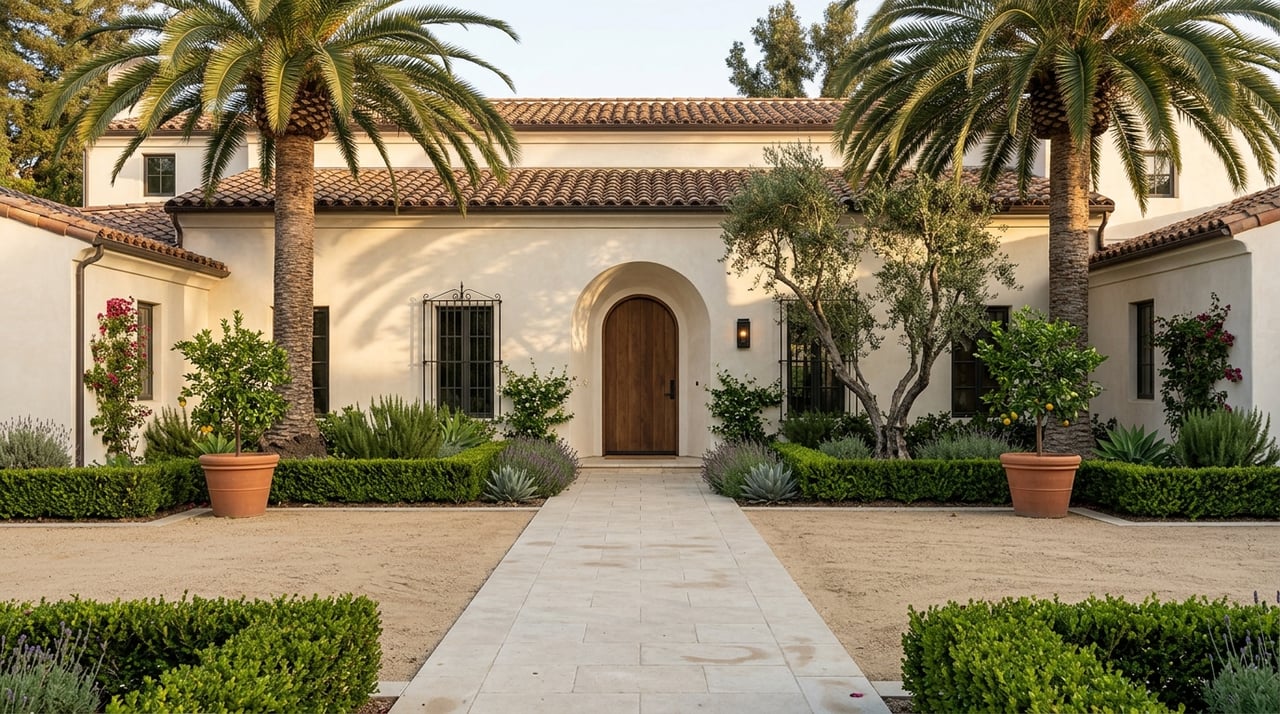
If you have ever wondered why some Beverly Hills homes feel instantly iconic while others feel expensive but forgettable, the answer is often the architecture. In this market, style is not just a visual preference. It shapes how a home lives, how it fits its setting, and how buyers perceive long-term value. If you are buying, selling, or planning updates, understanding the styles that define Beverly Hills luxury homes can help you make sharper decisions. Let’s dive in.
Why architecture matters in Beverly Hills
In Beverly Hills, architecture carries unusual weight because the city has long tied residential design to neighborhood character, landscaping, and property values. The city’s residential design guidance is meant to highlight architecturally pure styles that are common in Beverly Hills and to guide new construction and visible remodels.
That matters because Beverly Hills was shaped in layers. Historic surveys show that period-revival homes dominated the 1920s and 1930s, postwar modernism added another defining chapter, and later redevelopment introduced contemporary and postmodern homes across both the flats and the hills.
For you as a buyer or seller, that means style is not a cosmetic detail. It is part of how a home is understood in the market. The strongest homes usually feel coherent, well-scaled, and true to their architectural language.
Spanish Colonial Revival sets the tone
If one style captures the early luxury identity of Beverly Hills, it is Spanish Colonial Revival. City survey materials note that revival styles dominated the 1920s and 1930s, with Spanish architecture emerging as especially popular because it responded so well to California history and climate.
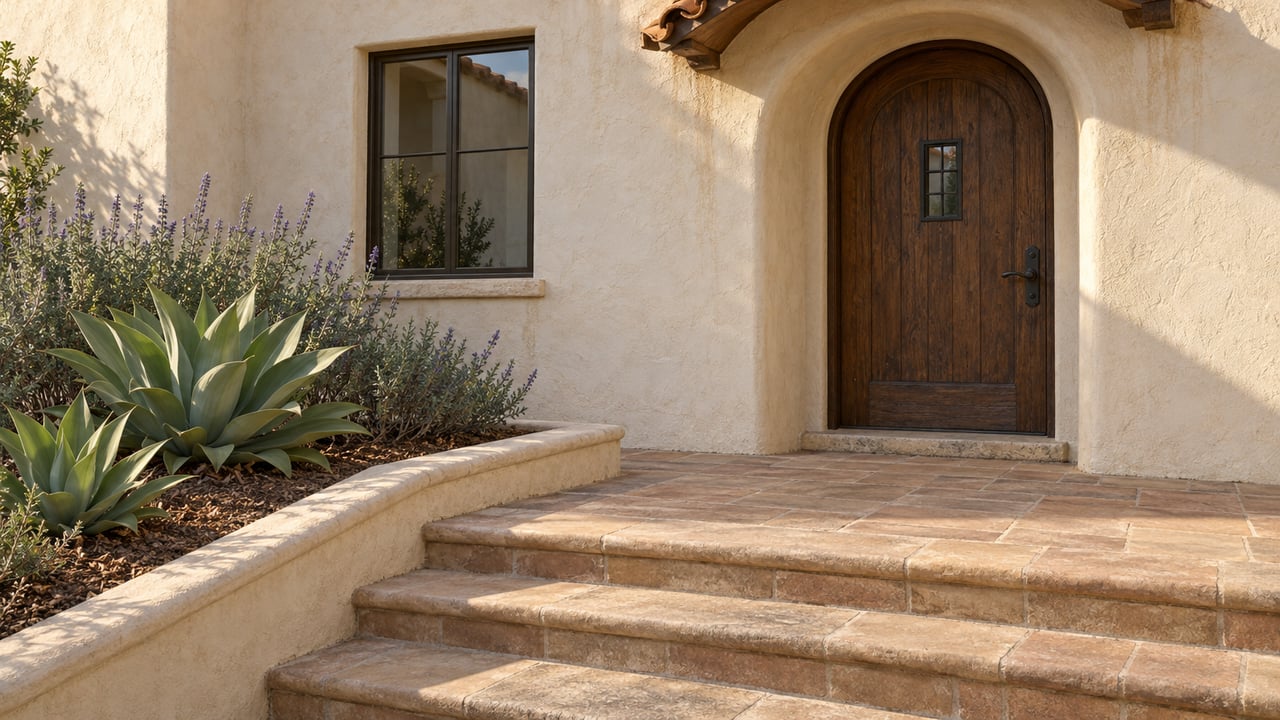
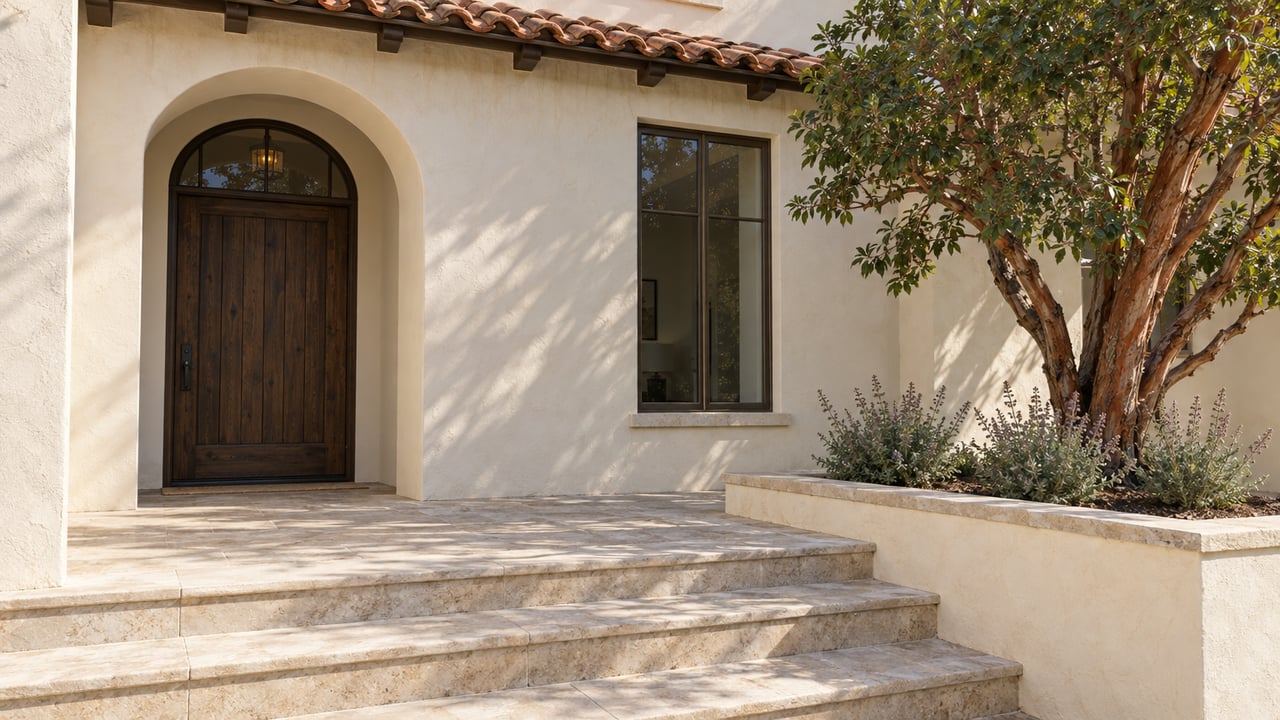
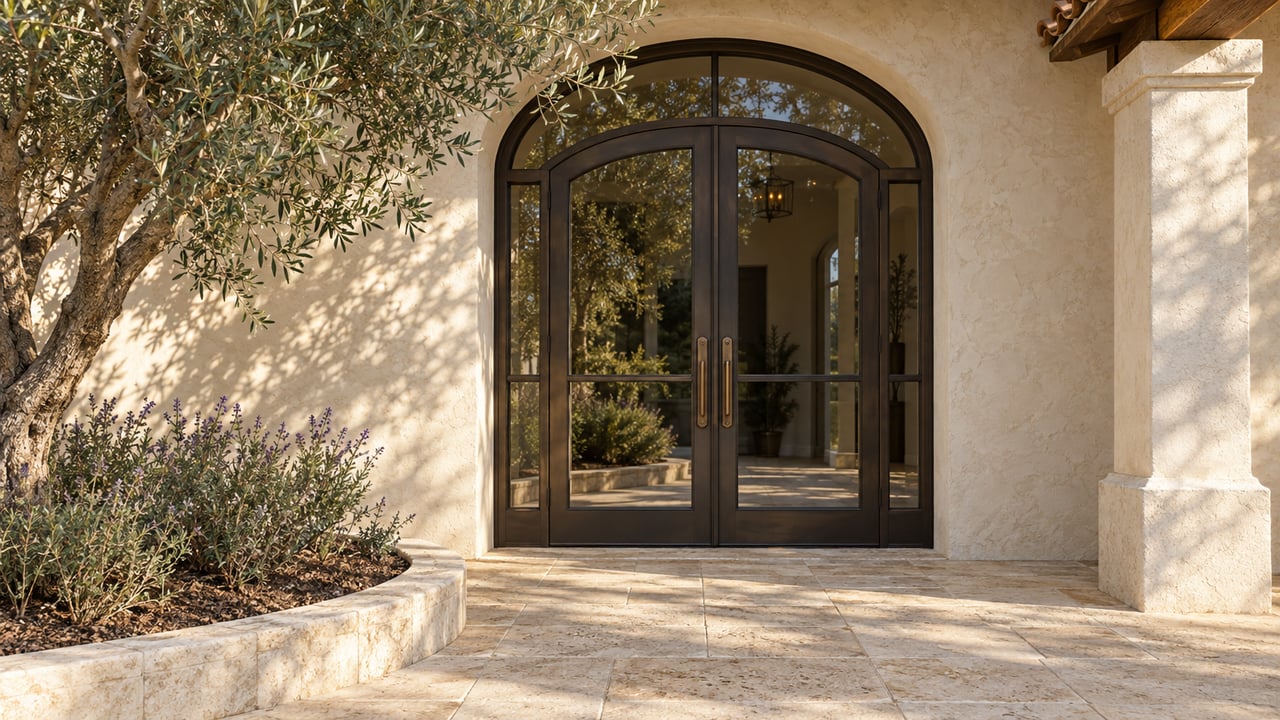
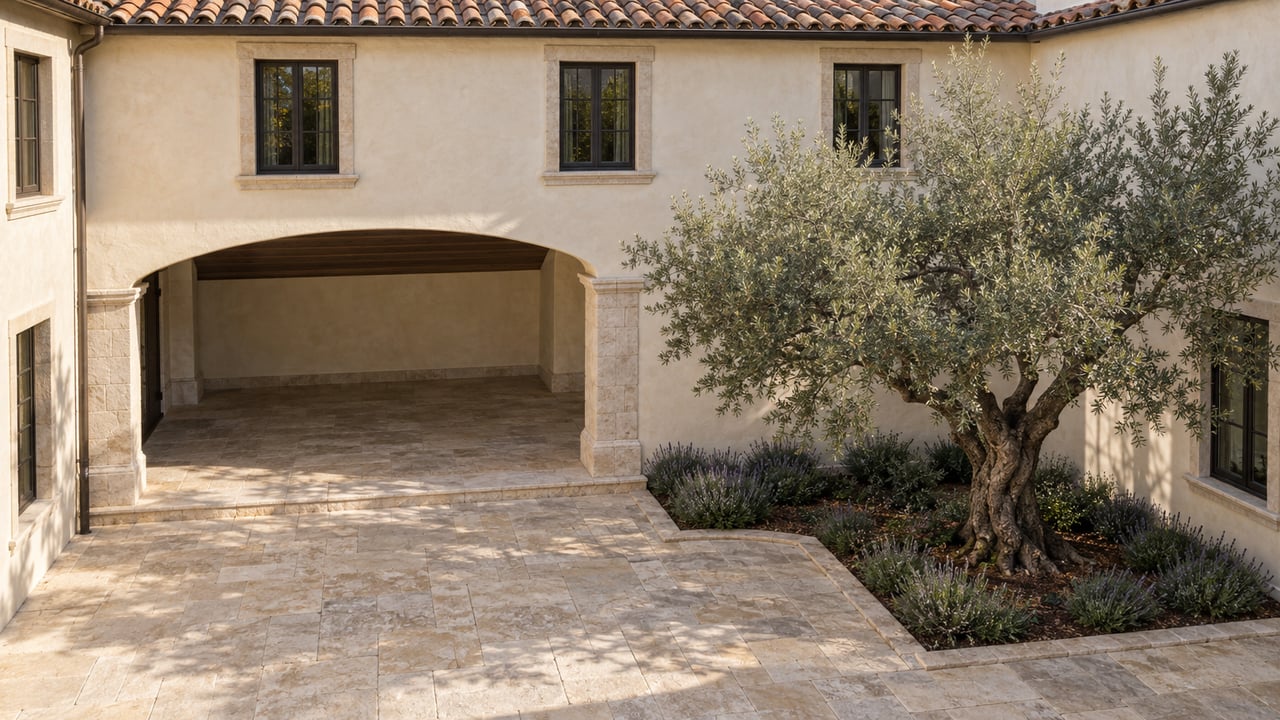
In practical terms, you will often see low-pitched roofs, smooth stucco walls, arches, courtyards, rounded eaves, red terra-cotta tile, wrought iron, and a strong connection between indoor and outdoor spaces. These homes tend to feel warm, grounded, and private in a way that still resonates today.
What makes Spanish homes feel luxurious is not just age or square footage. It is the integrity of the details. Original proportions, real tile, ironwork, garden walls, and a clear courtyard layout often give these properties a more established and lasting sense of value.
Why Spanish style still appeals
Spanish Colonial Revival homes fit Beverly Hills living well because they balance elegance with comfort. Shaded entries, outdoor rooms, and enclosed courtyards support privacy while making the house feel connected to the landscape.
For buyers, that can mean a home that feels both classic and easy to live in. For sellers, it is often a reminder that preserving visible character can be just as important as any high-end upgrade inside.
Mid-Century Modern defines the postwar era
Beverly Hills also has a strong modernist identity, especially from the postwar period. City landmark materials note that the 1950s marked the beginning of the Modern movement in the city, and the creation of Trousdale Estates in 1955 helped establish Mid-Century Modern, Contemporary Ranch, and Hollywood Regency homes as a major part of the local architectural story.
These homes usually stand apart from revival styles right away. You will notice low horizontal lines, flat roofs, clean volumes, minimal ornament, asymmetrical massing, expansive glass, and a strong sense of indoor-outdoor openness.
For many design-conscious buyers, that openness is the luxury. Rather than formal room sequences, these homes tend to prioritize daylight, view corridors, and entertaining spaces that flow naturally from inside to out.
What gives a Mid-Century home value
In Beverly Hills, modern homes often command the most attention when their original design intent remains intact. Clean rooflines, glass planes, restrained detailing, and disciplined proportions usually matter more than flashy alterations.
Architect pedigree can also shape buyer perception. The local conversation around significant modern properties, including rare examples by important architects, shows how preservation and authorship can elevate a home’s status in the market.
Contemporary homes speak to current luxury
Contemporary architecture is now one of the most visible expressions of luxury in Beverly Hills. Unlike Spanish or Tudor homes, contemporary is less one historic style and more the language of current high-end construction.
Locally, contemporary design often overlaps with modern and postmodern influences. You will typically see cubic massing, flat roofs, bold geometry, expansive glass, stone and steel finishes, and very little ornament.
That said, today’s most successful contemporary homes do more than make a visual statement. They tend to feel calm, private, and livable, with architecture that connects to landscape rather than overpowering it.
What buyers expect from contemporary design
Current luxury preferences suggest that Beverly Hills buyers are looking beyond sheer size. Design reporting and buyer trend data point toward adaptable layouts, privacy, outdoor living, comfort, and climate-aware features as important parts of how luxury is judged today.
So if you are evaluating a contemporary home, it helps to look past the dramatic façade. The stronger properties usually combine clean silhouettes with warm materials, usable spaces, and outdoor areas that feel like a true extension of the interior.
Traditional homes carry estate appeal
In Beverly Hills, traditional architecture often means period-revival homes rather than one single style. City survey materials identify Colonial Revival, Spanish Colonial Revival, French Normandy, and Tudor Revival as major parts of the area’s domestic architecture in the late 1920s and 1930s.
Among those traditional styles, Tudor is one of the most prevalent in the city’s design catalogue. Across the broader traditional category, common traits include symmetry, pitched roofs, shutters, wood trim, masonry or stucco walls, carved entries, and mature planting.
These homes often appeal to buyers who want a more formal and structured living experience. Compared with contemporary architecture, traditional homes usually have more separation between rooms and a stronger sense of ceremony in the layout.
Why authenticity matters in traditional homes
With traditional architecture, restraint is often what makes a house feel expensive. The city’s design guidance emphasizes pure style, quality materials, and proper scale, while discouraging mixed details that weaken the overall composition.
That means a traditional Beverly Hills home tends to present best when its craftsmanship feels disciplined. Symmetry, woodwork, masonry, and landscape design usually carry more weight than overdone decorative features.
What signals luxury across every style
Even though Beverly Hills luxury homes can look very different from one another, the strongest properties usually share a few common traits. They feel architecturally coherent, use quality materials, respect scale, and connect the home to its landscape.
In other words, luxury here is often style-specific rather than generic. A Spanish home reads best when the tile, plaster, ironwork, and courtyard logic feel authentic. A Mid-Century Modern home feels stronger when its proportions and openness remain intact. A contemporary home often lands best when it feels warm and private. A traditional home usually stands out when craftsmanship and symmetry are clear and controlled.
For buyers, that framework can help you separate true design value from surface-level finishes. For sellers, it can shape which features should be highlighted and protected before bringing a property to market.
Renovation choices that protect value
If you are preparing a Beverly Hills home for sale or planning long-term improvements, the safest strategy is usually to preserve the character-defining features while upgrading the systems and spaces buyers use every day. In this market, that often means protecting rooflines, window proportions, arches, masonry or stucco texture, woodwork, and the relationship between the home and its landscaping.
That approach also reflects how the city reviews visible remodels and new construction. Beverly Hills uses its style catalogue for street-visible work, and historic preservation review relies on the Secretary of the Interior’s Standards.
Invisible or low-visibility upgrades can still add meaningful appeal. Buyer interest has increased around features like solar, batteries, EV charging, drought-resistant landscaping, climate resilience, and wellness-oriented spaces such as spa-like baths.
A smart update strategy for sellers
The key is layering modern comfort into the home without stripping away its identity. A Spanish house should not lose its arches to chase a trend. A Mid-Century home usually benefits more from restoring its clean lines than from adding decorative weight.
This is where thoughtful presentation matters. When a home’s architecture is clear and the updates feel intentional, buyers are more likely to understand both the lifestyle and the value story right away.
Historic status and planning review
If you own an older Beverly Hills property, it is important to know that inclusion in a city survey does not automatically mean the home is a designated landmark. The city notes that survey results are informational, which can be important if you are considering major alterations, additions, or demolition.
If there is any question about a property’s survey status or historic significance, Planning Division review is the right place to start. That step can help you understand what may affect renovation options before design and construction plans move too far.
How to read architectural value as a buyer or seller
In Beverly Hills, the most compelling luxury homes usually do not win on size alone. They win because the architecture makes sense, the materials feel right, and the property delivers a lifestyle that matches the design.
If you are buying, that means looking for homes where style and livability support each other. If you are selling, it means presenting the home in a way that respects its architecture and makes its strengths obvious from the first impression.
That kind of positioning can have a real effect on market response. In a design-aware market like Beverly Hills, clarity and authenticity often outperform excess.
If you are evaluating how architectural style affects your buying, selling, or renovation strategy in Beverly Hills, Marc Robinson offers confidential guidance shaped by local market fluency, design sensitivity, and negotiation-focused representation.
FAQs
What architectural styles are most associated with Beverly Hills luxury homes?
- The four styles most closely associated with Beverly Hills luxury homes are Spanish Colonial Revival, Mid-Century Modern, Contemporary, and Traditional period-revival architecture.
Why does architectural style matter when selling a Beverly Hills home?
- Architectural style matters because Beverly Hills places strong emphasis on neighborhood character, quality design, and scale, and buyers often respond best to homes that feel authentic to their original architectural language.
What features define Spanish Colonial Revival homes in Beverly Hills?
- Spanish Colonial Revival homes in Beverly Hills often feature stucco walls, red tile roofs, arches, courtyards, wrought iron, rounded eaves, and indoor-outdoor spaces that suit the local climate and privacy preferences.
What makes a Mid-Century Modern home valuable in Beverly Hills?
- Mid-Century Modern homes often stand out when their original proportions, glass walls, clean lines, and indoor-outdoor openness remain intact rather than being heavily altered.
What should sellers preserve when renovating a Beverly Hills luxury home?
- Sellers should usually preserve character-defining elements such as rooflines, window proportions, arches, masonry or stucco texture, woodwork, and the home’s relationship to the landscape while updating systems and daily-use spaces.
Does a Beverly Hills historic survey mean a home is officially designated?
- No. The city states that survey results are informational and do not automatically create historic designation, so owners should check with the Planning Division if status questions affect renovation plans.