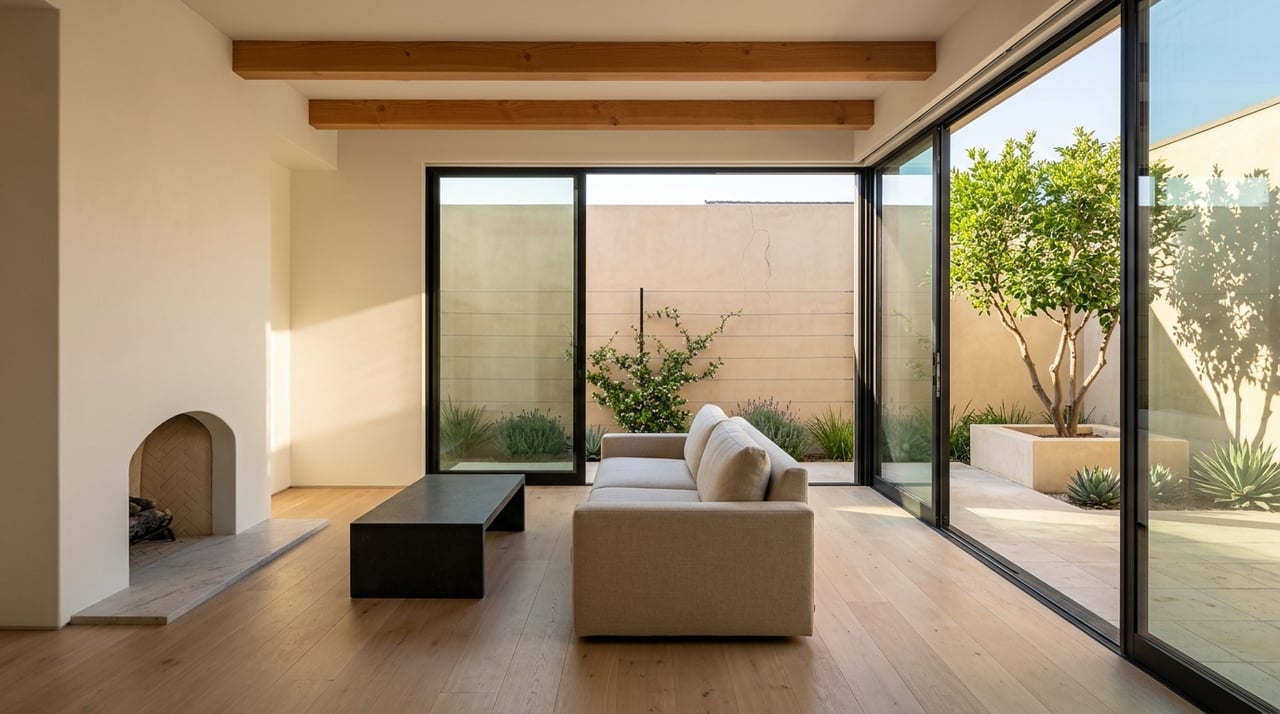
Wondering which Los Feliz home style actually fits the way you want to live? In this neighborhood, that choice is about more than curb appeal. Los Feliz offers a rare mix of Spanish Revival, Mid-Century Modern, and Contemporary homes, and each one feels different because the neighborhood itself changes from boulevard blocks to winding hillside streets near Griffith Park. If you are trying to decide what matches your taste, your daily rhythm, and your priorities, this guide will help you compare the options with more clarity. Let’s dive in.
Why Los Feliz Feels So Architecturally Rich
Los Feliz is one of those Los Angeles neighborhoods where architecture and setting are tightly connected. Official neighborhood sources describe the area as nestled at the foot of Griffith Park, with a village core around Hillhurst and Vermont and nearby sub-areas that include Los Feliz Hills, Los Feliz Village, Franklin Hills, Laughlin Park, and Waverly Heights. Griffith Park itself is a 4,355-acre city park adjacent to the neighborhood, which helps explain why so many homes here feel shaped by views, slopes, and landscape. According to the Los Feliz Village Business Improvement District, that park-edge setting is a defining part of the area.
The feel of the housing stock changes quickly as you move through Los Feliz. A historic context report for the area describes hillside streets north of Los Feliz Boulevard with curving roads, sloping lots, mature vegetation, public stairways, and views toward the Observatory and parkland. Another historic district draft notes that the boulevard corridor includes courtyard apartment buildings, while single-family homes climb the hills behind it, creating a visible contrast in form and scale.
That is why choosing a home style in Los Feliz is also a location decision. A Spanish Revival near the boulevard may feel very different from a Spanish Revival in the hills, and the same goes for Mid-Century and Modern homes. If you want the right fit, it helps to think about both architecture and setting from the start.
Spanish Revival: Warmth and Privacy
What defines Spanish Revival
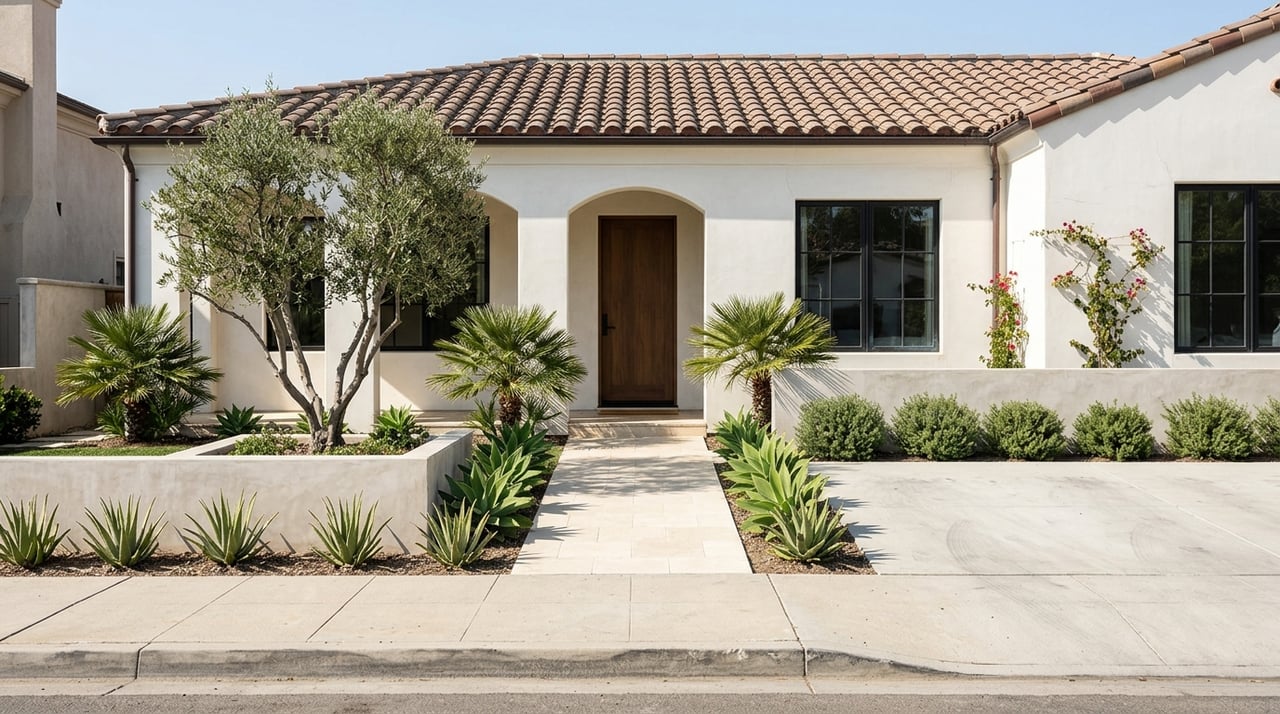
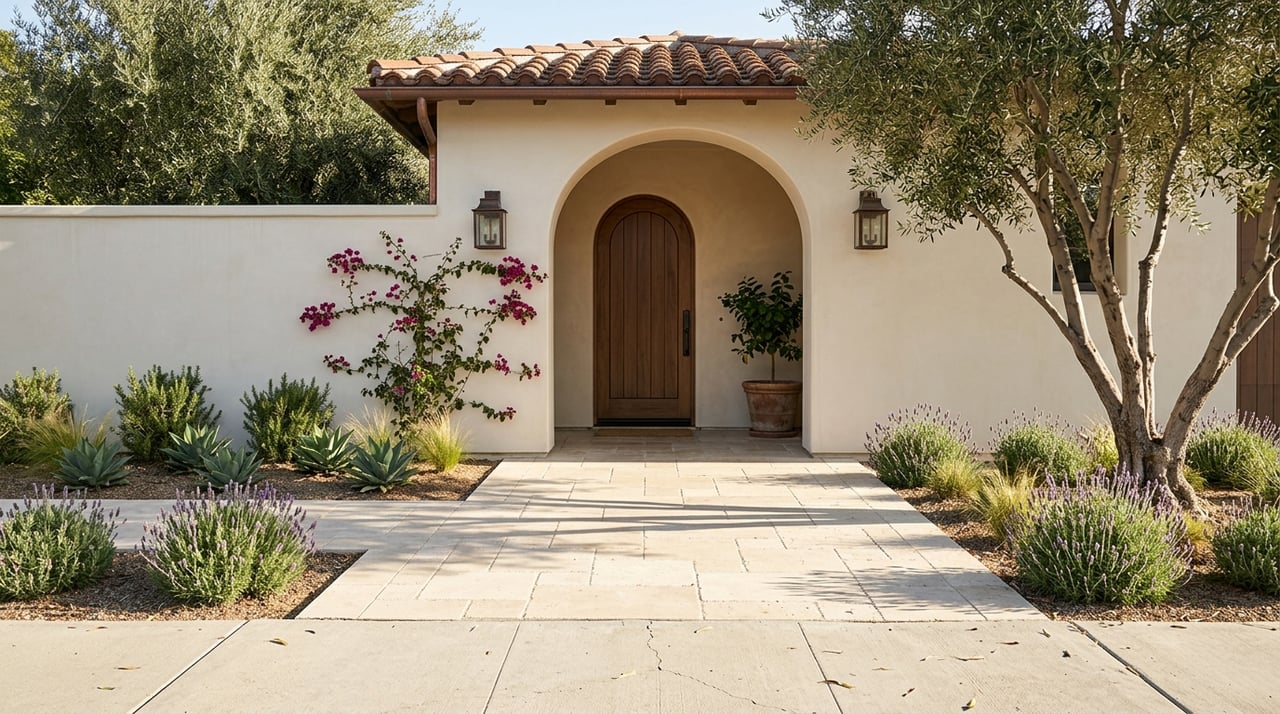
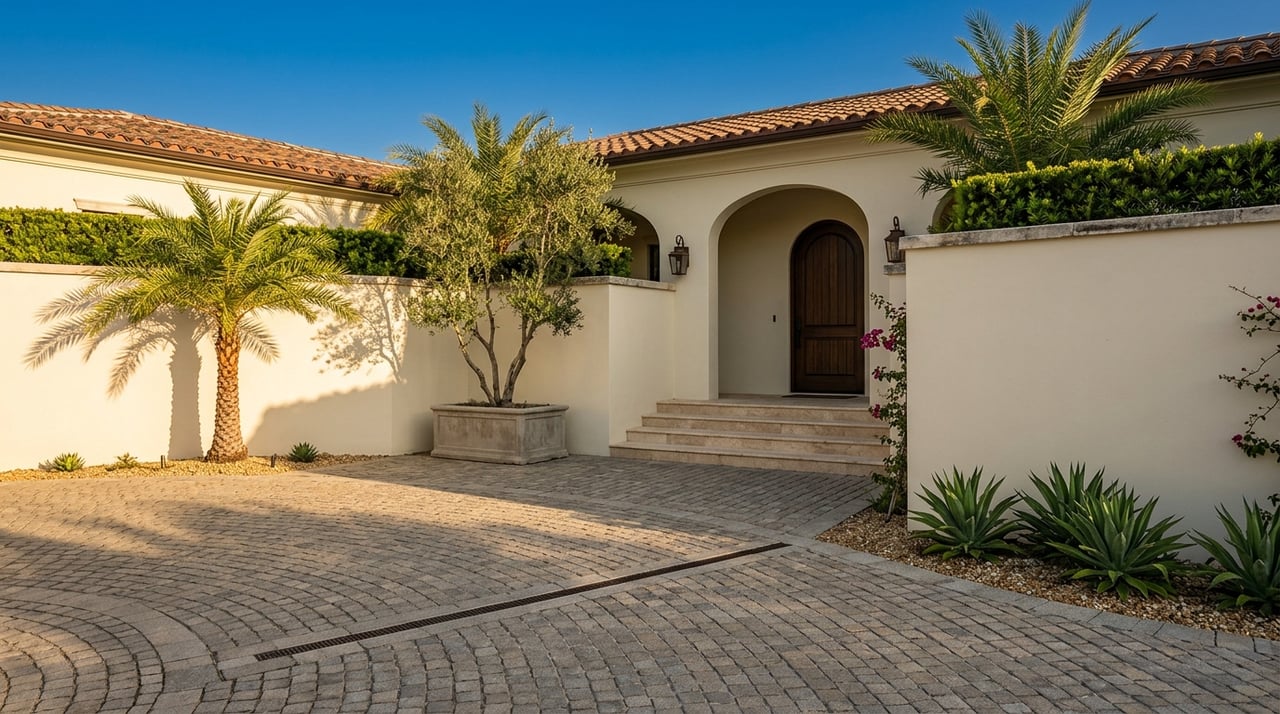
Spanish Colonial Revival homes in Southern California are known for stucco exteriors, clay-tile roofs, arched windows and doors, recessed entries, iron details, and courtyard-oriented design. The Los Angeles Conservancy’s design guidance also highlights elements like balconies, porches, and outdoor rooms that connect naturally to the house. In Los Feliz, these details often feel especially at home because the neighborhood’s earlier development pattern and hillside streets complement the style’s texture and sense of enclosure.
A local example adds even more character to the picture. The Miller Residence on Los Feliz Boulevard includes elevated ceilings, a Mission-style corridor entry, terracotta roof tiles, and a center atrium that was originally an open-air courtyard with a fountain and exposed rafters. That kind of layout shows why Spanish homes often feel layered and atmospheric rather than purely open.
How Spanish homes tend to live
If you are drawn to privacy and character, Spanish Revival may be the most appealing style of the three. These homes often have a more room-by-room layout, with living spaces organized around a courtyard, atrium, or deep entry sequence. That tends to create a more sheltered, intimate feel and a stronger sense of arrival when you come home.
In daily life, that can mean cooler, shaded spaces and a little more separation between rooms. For some buyers, that feels elegant and grounded. If you like historic materials, quieter interiors, and a home that reveals itself gradually, Spanish Revival may be the style that feels most naturally “Los Feliz.”
Where you see Spanish Revival in Los Feliz
Los Feliz has several notable Spanish Revival examples, including 2856 N. Glendower Avenue, 1901 N. Serrano Avenue, 2311 N. Alto Oak Drive, and the Miller Residence along Los Feliz Boulevard. These homes show up both on prominent hillside streets and closer to the neighborhood’s main corridor, which is part of what makes the style feel so locally rooted.
Mid-Century Modern: Light and Views
What defines Mid-Century Modern
Mid-Century Modern homes are usually identified by post-and-beam construction, large expanses of glass, open plans, flat roofs or broad overhangs, and minimal exterior ornament. In hillside Los Angeles neighborhoods, the style often responds directly to slope and view orientation. That is a big reason it feels so natural in Los Feliz.
Instead of focusing on decorative detail, Mid-Century homes tend to emphasize structure, light, and the connection between the interior and the lot. In practical terms, the architecture often tries to bring the outside in. On a hillside street, that can create a dramatic relationship between the home and the landscape.
How Mid-Century homes tend to live
If you want openness, Mid-Century is usually the strongest match. These homes often combine living, dining, and kitchen areas into a more fluid plan, then open those spaces to decks, patios, or terraces. That creates a brighter, less formal feel than many older homes.
In Los Feliz, Mid-Century often pairs especially well with hillside living because the design takes advantage of outlooks and natural light. If your ideal home feels relaxed, view-driven, and connected to outdoor space, this style may fit your lifestyle best. It is often the easiest category for buyers who want design pedigree without a heavy sense of formality.
Where you see Mid-Century in Los Feliz
One of the clearest local examples is the Sam and Jane Taylor Residence at 3247 N. Waverly Drive. The Los Feliz Improvement Association describes it as a Mid-Century Modern residence with floor-to-ceiling glass, an open floor plan, indoor-outdoor spaces, and sweeping views toward Griffith Park. Another example is 2311 W. Hyperion Avenue, a 1950 Mid-Century Modern office building designed by Gregory Ain and James H. Garrott.
Contemporary or Modern: Clean and Minimal
What defines Contemporary or Modern
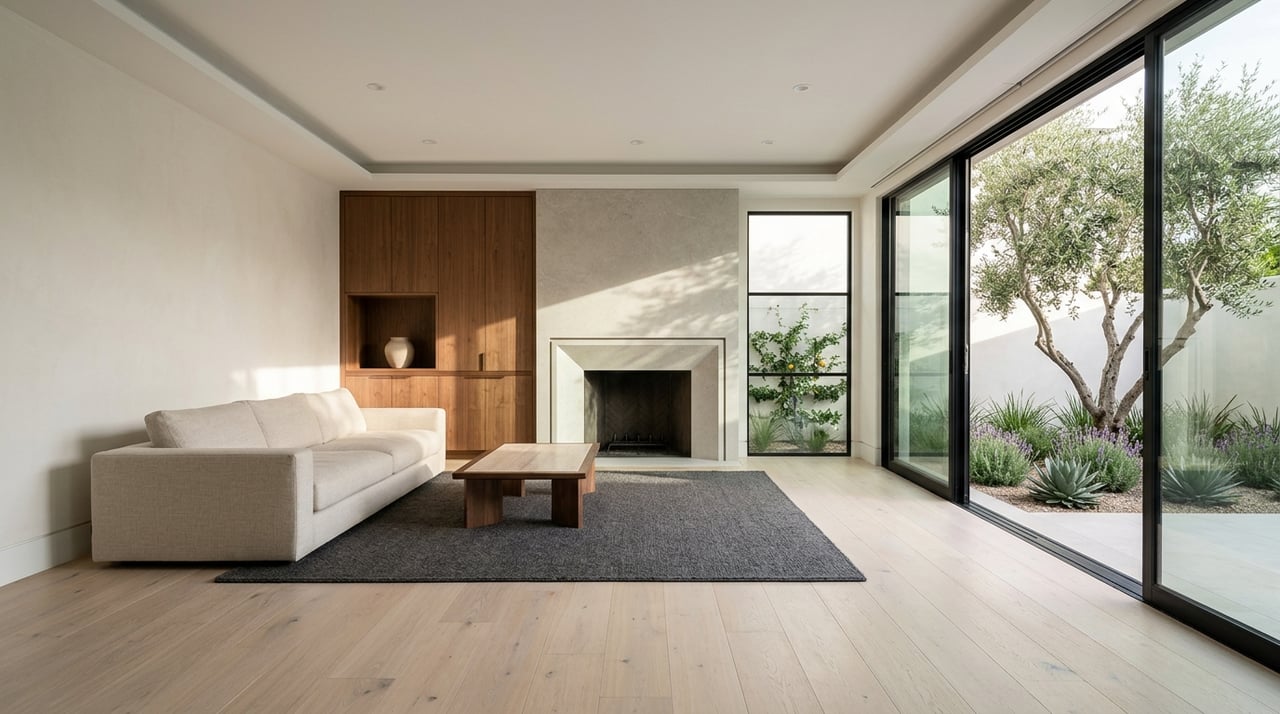
Contemporary and Modern homes in Los Feliz sit at the cleanest, least ornamental end of the style spectrum. National Park Service materials describe contemporary architecture as modern design that avoids traditional housing forms and decorative details. In local examples, that usually translates into simple massing, smooth concrete or stucco surfaces, and a more stripped-down visual language.
This category can include both later contemporary construction and earlier experimental modern work. In Los Feliz, the result is a broad but recognizable group of homes that prioritize line, volume, and openness over nostalgia.
How Contemporary homes tend to live
If you prefer simplicity, flexibility, and a more gallery-like environment, Contemporary or Modern may be the right fit. These homes often emphasize open rooms, broad glazing, and clean transitions between interior space and the view. Compared with Spanish Revival, they usually have fewer period details. Compared with Mid-Century, they may feel less tied to a specific era.
That can be a real advantage if you want a home that reads as adaptable and uncluttered. Buyers who gravitate toward this style often care most about light, proportion, and a calm visual backdrop rather than historical ornament.
Where you see Contemporary in Los Feliz
The Los Feliz Improvement Association property archive identifies examples such as 5821 W. Cazaux Drive and 5820 W. Valley Oak Drive as Contemporary. It also lists 3209 N. Lowry Road as Modern, noting its transformation into a textured concrete-block composition connected to Lloyd Wright. Together, those examples show how broad the modern category can be in Los Feliz.
How Location Changes the Style Experience
Boulevard versus hillside living
In Los Feliz, style and placement are closely linked. Areas closer to Vermont and Hillhurst tend to feel more urban and layered, while streets north of Los Feliz Boulevard rise toward Griffith Park and often feel quieter, curvier, and more view-oriented. That means the same architectural style can live differently depending on where it sits.
The contrast is especially visible along the boulevard and the rising streets behind it. Historic documentation for the Los Feliz Boulevard Courtyard Apartments district describes a corridor where courtyard apartment buildings line the street and single-family homes climb into the hills beyond. For you as a buyer, that means it is worth looking beyond style labels and asking how the lot, street pattern, and outlook shape day-to-day living.
A Simple Way to Choose
If you want a quick framework, here is the easiest way to think about it:
- Choose Spanish Revival if you want historic warmth, courtyard privacy, and a more layered floor plan.
- Choose Mid-Century Modern if you want light, openness, and a strong indoor-outdoor connection tied to views.
- Choose Contemporary or Modern if you want the most minimalist, flexible, and visually streamlined feel.
You may also want to ask yourself a few practical questions before narrowing the search:
- Do you prefer enclosed rooms or open flow?
- Is privacy more important to you than panoramic glass?
- Do you want visible period character, or do you prefer a cleaner aesthetic?
- Are you more drawn to boulevard convenience or hillside outlooks?
Those answers often point to the right style faster than photos alone.
Choosing With More Confidence
In Los Feliz, the best home style is usually the one that aligns with both your taste and your preferred way of living. Spanish Revival offers warmth and privacy. Mid-Century Modern leans into light and views. Contemporary or Modern gives you the cleanest expression of space and simplicity.
If you want help evaluating architectural character, location fit, and long-term value in Los Feliz, Marc Robinson offers a design-aware, strategic approach to buying in Los Angeles. When you are ready to refine your search, schedule a confidential consultation.
FAQs
What makes Los Feliz a strong neighborhood for architecture lovers?
- Los Feliz combines boulevard corridors, hillside streets, and park-adjacent areas, which creates a wide mix of housing types and architectural styles within one neighborhood.
Which Los Feliz home style usually feels most private?
- Spanish Revival often feels most private because courtyard layouts, recessed entries, and more enclosed room arrangements create a stronger sense of separation.
Which Los Feliz home style is best for views and open flow?
- Mid-Century Modern is usually the strongest fit for views and open flow because it often uses glass, open plans, and indoor-outdoor spaces that respond well to hillside lots.
Which Los Feliz home style is the most minimalist?
- Contemporary or Modern is generally the most minimalist because it avoids traditional forms and decorative detailing in favor of cleaner lines and simpler massing.
Where do you see the clearest housing contrast in Los Feliz?
- The clearest contrast often appears along Los Feliz Boulevard and the rising streets behind it, where courtyard apartments, Spanish Revival homes, and hillside modern houses appear close together.