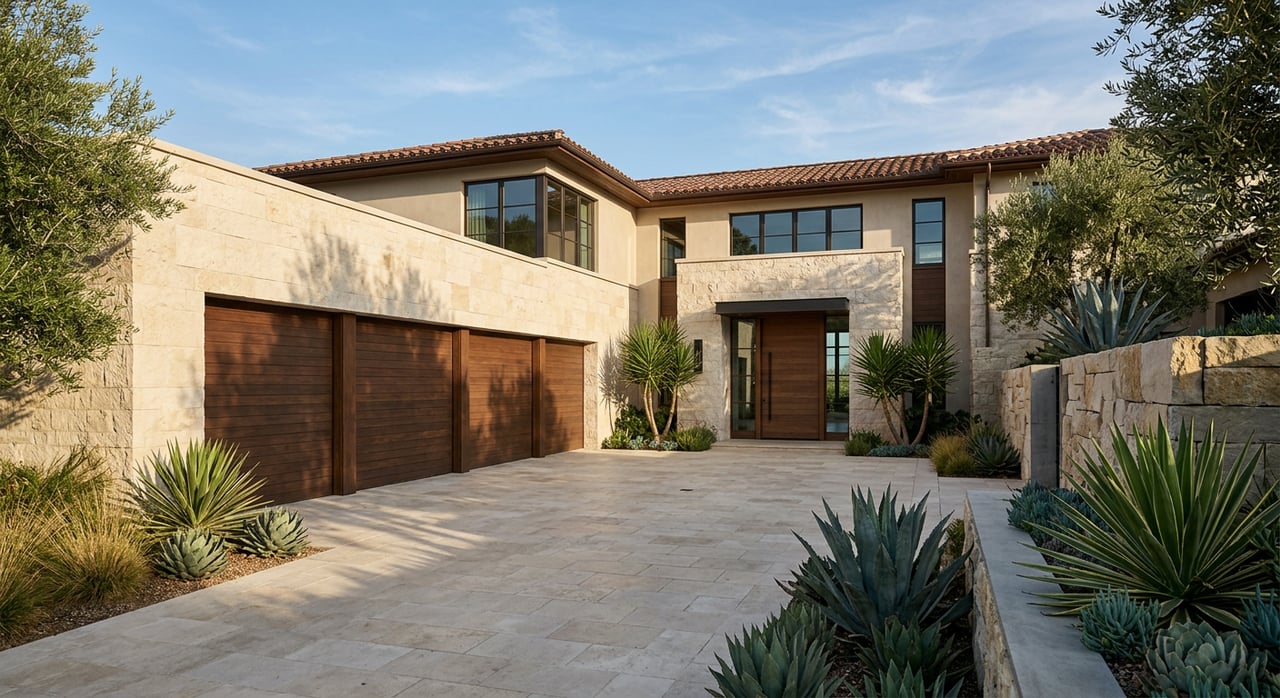
Two Hollywood Hills homes can have the same square footage and feel worlds apart in price. If you have toured a few, you have seen it firsthand. In the Hills, small site details change daily life, buyer demand, and appraisal outcomes. This guide shows you the specific features that move value, how they interact, and what to verify before you buy or sell. Let’s dive in.
Market context you can use
Hollywood Hills pricing sits at the upper end of Los Angeles norms, with a recent median sale near $1.7 million. That number hides a wide spread. Smaller canyon cottages can sell in the low seven figures, while architect-driven estates and premier view homes can reach well into eight figures. Treat the Hills as many micro-markets, not one price band.
The six value drivers
View corridors and permanence
Not all views are equal. City lights, canyon green, ocean line, and landmark views each impact price differently. What matters most is where you experience the view (primary living areas and the main suite count most), how wide it is, and how likely it is to last. Hedonic research shows view premiums vary widely by market and quality, which is why ranges are more reliable than fixed percentages. See the hedonic research on view premiums for context.
To gauge permanence, look at topography, lot depth, setbacks, adjacent zoning and height limits, and whether nearby parcels are buildable. In California, there is generally no automatic legal right to a view, so permanence is an economic judgment based on site conditions and records. Ask sellers to provide day and evening photos from main rooms. Buyers pay for a view they will actually use after sunset.
Access, turnaround and curb usability
Steep, narrow lanes are common in the Hills. Street width, driveway slope, and the presence of a safe turnaround or motor court affect daily convenience and emergency access. They also shape your ability to renovate or rebuild. Los Angeles hillside rules set slope-sensitive limits on floor area, grading, and haul routes that can change cost and timelines. Review this Los Angeles hillside permitting overview when assessing site complexity.
Two similar-size homes can diverge in value because one sits on a flatter, better-served street with off-street parking and simpler permits, while the other sits on a substandard lane that raises operational and entitlement risk. Driveability is a price driver, not a footnote.
Parking, garage capacity and EV readiness
In car-dependent Los Angeles, on-site, usable parking is a true convenience premium. Multiple covered spaces, good ingress and egress, and room for guests all matter. ADU potential often ties to parking and street-width standards under city code. If you are weighing value-add potential, review the L.A. municipal ADU parking and street-width criteria. Higher-end buyers increasingly expect a dedicated Level 2 charging circuit in the garage or motor court.
Architectural pedigree and provenance
Design pedigree can shift a property into a different buyer pool. Homes by recognized architects or with documented histories are often marketed as cultural assets as well as residences. The Stahl House (Case Study House No. 22) is a famous example that illustrates how architecture can command outsized attention. Provenance tends to support stronger pricing when the design integrity remains intact.
Privacy, security and wildfire exposure
Privacy consistently ranks high for Hills buyers. Gated driveways, mature landscaping, and site orientation that minimizes sightlines from neighbors all add appeal. Increasingly, wildfire exposure is a direct value factor. The 2025 fire-hazard map updates in L.A. County expanded areas designated high or very high risk, which can affect insurance and require defensible space and home-hardening. Sellers who document compliance reduce buyer uncertainty and can protect value.
Outdoor living, usable yard and pool
Outdoor space is a core amenity in Los Angeles. Buyers respond to usable flat areas, well-scaled decks, privacy, and practical features like shade, lighting, and outdoor kitchens. Pools often help in higher-end tiers, but layout matters. A poorly sited pool that consumes the only usable yard can deter some buyers. Usability beats raw lot size.
Micro-neighborhood signals
Hollywood Hills West: Bird Streets, Outpost Estates
Expect steeper ridge lines, a concentration of mid-century and custom estates, and many of the Hills’ most panoramic city and ocean views. Flat lots are limited, which elevates the price of properties that combine design pedigree, privacy, and view. Trophy sales often cluster here.
Hollywood Hills East: Beachwood Canyon, Hollywoodland, Lake Hollywood
You will find a village feel near local markets and trailheads, plus a mix of historic cottages and view homes. Proximity to the Hollywood Sign is a common marketing angle. Per-square-foot pricing can trail the Bird Streets, but rare flat lots with strong views still trade at a premium.
Laurel Canyon and adjacent canyons
These pockets feature wooded settings, winding lanes, and a mix of modest cottages and modernized homes. Buyers often prioritize privacy and canyon lifestyle over skyline views. Access, parking, and site specifics drive valuation more than raw interior size.
How to compare similar-size homes
Use a side-by-side framework so you do not get distracted by finishes.
- Views: Type, width, rooms that capture it, and permanence signals.
- Lot usability: Flat areas vs. slope, outdoor rooms, pool placement.
- Access and parking: Street width, driveway slope, turnaround, covered spaces, guest parking.
- Entitlement risk: Slope, grading history, and likely permit path.
- Privacy and exposure: Sightlines, setbacks, and fire zone.
- Architecture: Any named architect or documented history.
Buyer checklist before you write an offer
- Verify view permanence. Confirm orientation, lot depths, nearby zoning and buildability. Photos from main rooms at multiple times help support pricing and appraisal. See the view premium research for why ranges matter.
- Pull geotechnical and grading history. If there is heavy hillside work or large retaining walls, require an engineer’s review. Start with LADBS grading and geology inspections.
- Check fire zone and home-hardening. Confirm whether the property falls in a high or very high hazard area under the 2025 updates and request defensible-space documentation.
- Confirm road width and emergency access. Ask if the street is public or private and whether emergency vehicles can access it without issue. Narrow private lanes add risk.
- Validate parking and ADU potential. Cross-check on-site counts and the ADU criteria in the municipal code.
- Run permit searches. Major renovations, pools, guest houses, and electrical upgrades should have permits. Use LADBS information bulletins as a starting point.
- Confirm architectural provenance. Ask for design documents, prior publications, or historic status where relevant.
Seller prep that adds real value
- Build a clean technical folder. Include any recent soils or structural reports, roof documentation, defensible-space checklists, and utility maps. Having materials ready reduces buyer friction and shortens timelines. See LADBS grading and geology inspections for common hillside items.
- Showcase views and outdoor living. Photograph main-room views at different times of day and stage outdoor rooms with lighting and seating. Many buyers respond to defined, low-maintenance outdoor zones, a trend highlighted in this overview of the hardscaping and backyard transformations trend in L.A.
- Document privacy and shared access. If you have a private drive, gates, or shared maintenance agreements, provide recorded documents and plans. Clarity on access and boundaries builds confidence.
A final note: in the Hollywood Hills, the best valuations come from pairing these drivers with recent, like-kind comparables in the same micro-area. When in doubt, start with views, outdoor usability, access and parking, and wildfire exposure. Those factors tend to outweigh cosmetic changes.
If you want a clear, data-informed plan to buy or sell in the Hills, let’s talk. Schedule a confidential consultation with Marc Robinson to map the smartest next steps for your goals.
FAQs
How much does a view add to price in the Hollywood Hills?
- It varies widely by type, width, rooms that capture it, and permanence. Hedonic studies show broad ranges, which is why you should price against local comps and treat view premium as a range, not a single percent. See this research on view premiums.
Can a neighbor legally block my view in California?
- There is usually no absolute legal right to a view. Outcomes depend on zoning, topography, and any recorded easements. This California view rights context explains the general framework.
Will being in a high fire-hazard zone stop me from getting insurance?
- It may increase premiums and require home-hardening or defensible space. Many buyers can still obtain coverage, but you should get quotes early in the process and budget for mitigation if maps place the property in a higher-risk zone.
Does parking or a garage really change valuation in the Hills?
- Yes. In Los Angeles, on-site, usable parking is a practical premium that influences buyer choice. Garage capacity, guest parking, and ADU feasibility tied to street width all factor into what buyers will pay.
If two homes have the same square footage, what should I prioritize?
- Focus on the combination of reliable views from main rooms, usable outdoor space, street access and turnaround, on-site parking, wildfire exposure, and any architectural pedigree. These typically move value more than finishes or fixtures.